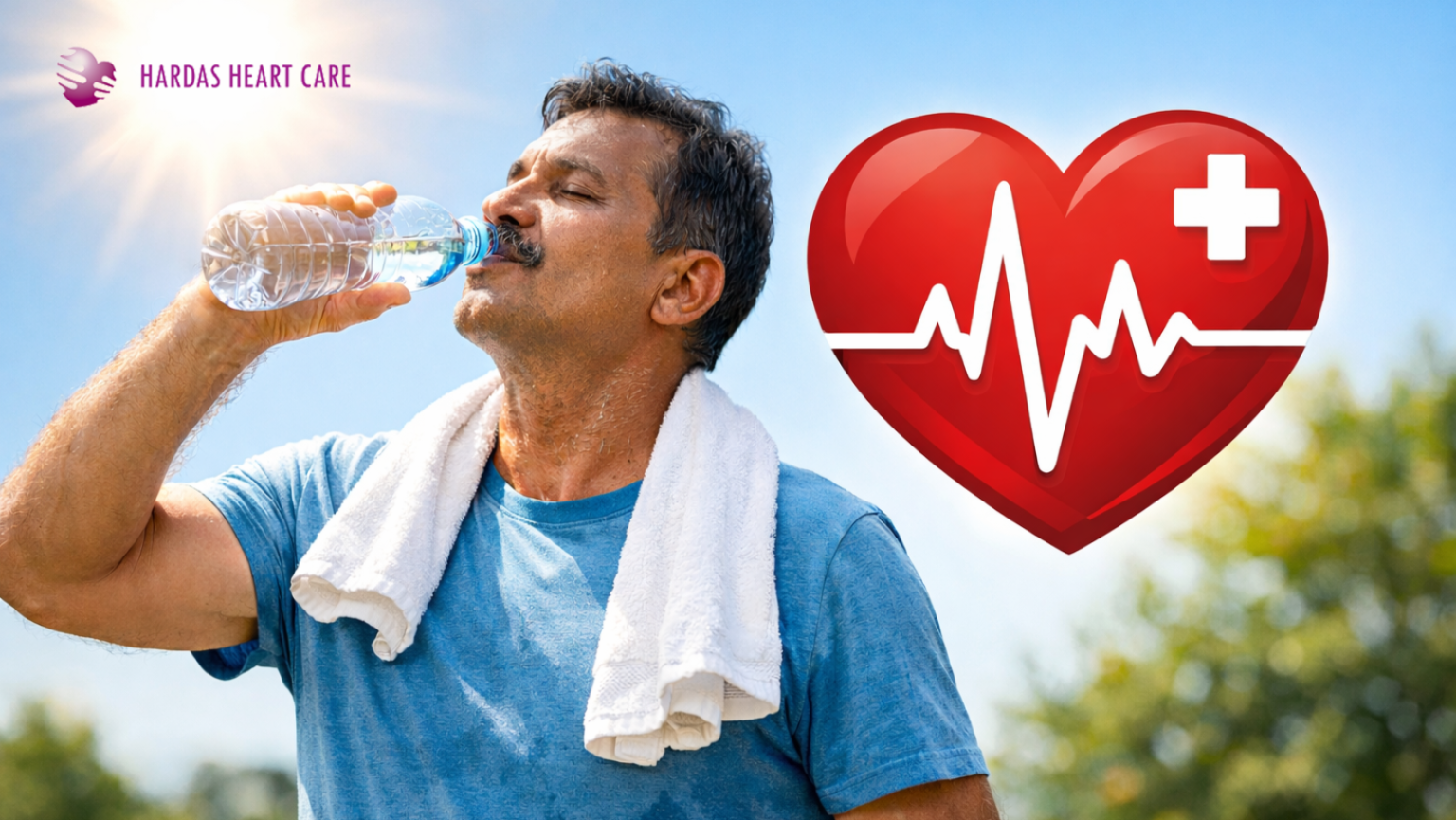
As the golden sun shines over Pune, the rising mercury brings more than just the need for air conditioning—it brings a significant challenge for your cardiovascular system. While summer is a time for vacations and outdoor fun, it is also a season where your heart has to work overtime. At Hardas Heart Care, we believe that awareness is the first step toward prevention. If you are looking for the best heart specialist in Pune, understanding the relationship between ambient temperature and heart function is vital. In this comprehensive guide, we will explore why heat puts a strain on your heart, who is most at risk, and how you can protect yourself.
How Heat Affects Your Heart
Your body is a master of thermoregulation, but this process requires energy and coordination, primarily from your heart. When the temperature climbs, your body attempts to cool itself through two main mechanisms: radiation and evaporation.
- Increased Heart Rate: To radiate heat away from your internal organs, the heart must pump more blood to the surface of your skin. This can cause your heart to beat significantly faster and harder than it does on a cool day.
- Vasodilation: Your blood vessels widen (dilate) to allow more blood to flow toward the skin’s surface. This process can lead to a drop in blood pressure, making you feel dizzy or lightheaded.
- Sweating and Dehydration: Evaporation (sweating) is the body’s most effective cooling tool. However, heavy sweating leads to a loss of essential fluids and electrolytes like sodium and potassium. This loss can disrupt the electrical signals in your heart, potentially leading to arrhythmias.
For a healthy individual, these changes are manageable. However, for those visiting a top cardiologist in Pune for existing conditions, these physiological shifts can be dangerous.
Why Dehydration is a “Silent Threat”
Dehydration is not just about feeling thirsty; it is a physiological state that reduces the total volume of blood circulating through your body. When blood volume decreases, the heart must pump faster to maintain blood pressure and ensure that oxygen reaches your vital organs.
Furthermore, dehydration makes the blood “thicker” or more viscous, which increases the risk of blood clots. If you have narrowed arteries due to coronary artery disease, this thicker blood is harder to move, significantly increasing the risk of a heart attack.
Who is at Higher Risk?
While everyone should be cautious during a Pune heatwave, certain groups must be extra vigilant. At Hardas Heart Care, we advise the following individuals to take special precautions:
- Seniors (Aged 65+): As we age, our bodies become less efficient at regulating temperature. The thirst mechanism also weakens, meaning many seniors are dehydrated before they even feel thirsty.
- Patients with Heart Failure: If your heart is already struggling to pump efficiently, the extra demand of cooling the body can lead to a crisis.
- Those with High Blood Pressure: Some medications for hypertension can affect how your body responds to heat.
- Individuals with Diabetes: Diabetes can damage the blood vessels and nerves that affect sweat glands, making it harder for the body to cool down.
Common Symptoms of Heat-Related Heart Stress
It is crucial to listen to your body. If you experience any of the following, move to a cool area immediately and seek advice from the best heart specialist in Pune:
- Dizziness or Fainting: This often indicates a drop in blood pressure or dehydration.
- Excessive Sweating or Cold, Clammy Skin: A sign that your body is struggling to keep up with the heat.
- Rapid, Weak Pulse: Your heart is working hard but failing to move blood effectively.
- Nausea and Muscle Cramps: Early signs of electrolyte imbalance and heat exhaustion.
- Shortness of Breath: If your heart cannot keep up with the demand, fluid can sometimes back up into the lungs.
7 Smart Habits for Heart Safety in the Heat
To stay “heart-strong” this summer, follow these expert-backed tips from the top cardiologist in Pune:
1. Hydrate Proactively
Don’t wait until you’re thirsty to drink water. Thirst is often a late sign of dehydration. Aim for water or electrolyte-rich drinks, and avoid excessive caffeine or alcohol, which can dehydrate you further.
2. Respect the “Peak Heat” Hours
In Pune, the sun is at its most intense between 11:00 AM and 4:00 PM. Schedule your errands, walks, or outdoor exercises for the early morning or late evening. If you must be outside, stay in the shade as much as possible.
3. Dress for the Weather
Wear lightweight, light-colored, and loose-fitting clothing. Natural fabrics like cotton are more breathable than synthetic materials and help your sweat evaporate more efficiently. Don’t forget a wide-brimmed hat and sunglasses.
4. Adjust Your Diet
Heavy, hot meals add “internal heat” to your body. Opt for smaller, more frequent meals that include hydrating foods like watermelon, cucumbers, oranges, and leafy greens. Also, be mindful of your salt intake; while you lose salt through sweat, excessive salt can lead to fluid retention and higher blood pressure.
5. Review Your Medications
Certain heart medications, such as beta-blockers, ACE inhibitors, and diuretics (water pills), can change how your body reacts to heat. Beta-blockers slow the heart rate, which can limit the heart’s ability to circulate blood for cooling. Diuretics can speed up dehydration. Consult with your doctor at Hardas Heart Care to see if your dosage needs adjustment during the summer months.
6. Create a Cool Environment
If you don’t have air conditioning, use fans and keep your curtains closed during the day to block out the sun. Taking a cool (not ice-cold) shower can also help lower your body temperature quickly.
7. Know When to Stop
If you feel tired or “off,” stop what you are doing. Pushing through the heat is never a good idea when it comes to heart health. Rest is your heart’s best friend during a heatwave.
The Importance of Professional Guidance
Summer safety is more than just drinking water; it’s about understanding your heart’s unique limits. If you have a history of cardiovascular issues, a seasonal check-up is highly recommended.
As the best heart specialist in Pune, Dr. Hardas and the team provide personalized care plans that account for lifestyle and environmental factors. Whether it’s managing your blood pressure or monitoring your recovery after a procedure, having a professional eye on your health can prevent summer emergencies.
When to Seek Emergency Care
Heatstroke is a medical emergency. If you or someone you know exhibits confusion, a high body temperature (above 103°F), a rapid/strong pulse, or loses consciousness, call for emergency medical help immediately.
For non-emergency concerns, such as mild palpitations or increased fatigue during the summer, booking an appointment with a top cardiologist in Pune is the best way to ensure your peace of mind.
Conclusion
The vibrant summers of Pune shouldn’t be overshadowed by health scares. By taking proactive steps—staying hydrated, avoiding the midday sun, and consulting with the experts at Hardas Heart Care—you can enjoy the season while keeping your heart in peak condition.
Your heart works hard for you every second of every day. This summer, give it the extra support it needs. If you have concerns about how the heat is affecting your cardiovascular health, reach out to us. We are dedicated to providing the highest standard of cardiac care to the Pune community.
Hardas Heart Care
Protecting your heart, every season.
Consult the best heart specialist in Pune today.