Quick answer: No. Breathlessness is not always caused by a heart problem. It can result from heart or lung conditions, anaemia, infections, anxiety, reduced fitness and other medical issues. However, new, worsening or unexplained breathlessness—especially during activity or when lying down—should not be ignored because it can sometimes be a sign of heart disease.
As a cardiologist, one symptom I always want to understand carefully is breathlessness.
People describe it in different ways. Some say they cannot take a deep breath. Others feel that they are not getting enough air. Some become unusually breathless while climbing stairs, while others notice difficulty breathing when they lie down or wake up at night gasping for air.
The first question is not simply whether the symptom is related to the heart. It is why the breathlessness is happening, when it occurs and whether it is changing over time. Breathlessness, also called dyspnoea, can have several causes. Heart and lung conditions are common possibilities, but other medical conditions and anxiety can also contribute.
The pattern of symptoms and a proper medical assessment help determine what needs to be investigated.
What does breathlessness actually mean?
Breathlessness is the uncomfortable feeling that you cannot breathe normally or get enough air. It may happen suddenly or develop gradually over days, weeks or months.
You may notice it while walking, climbing stairs, exercising or doing activities that were previously easy. Some people experience it at rest, while others notice it when lying flat or during sleep.
The experience can vary depending on the underlying cause.
For example, breathlessness due to an airway or lung condition may occur with coughing or wheezing. Heart-related breathlessness may occur with exertion or be accompanied by leg swelling or difficulty lying flat. Anaemia can cause breathlessness and fatigue because the blood carries less oxygen than usual.
These patterns can offer clues, but they do not establish a diagnosis by themselves.
Can breathlessness be a sign of a heart problem?
Yes. Breathlessness can sometimes indicate that the heart is not functioning effectively or that a cardiovascular condition is affecting circulation.
One important possibility is heart failure. Despite the name, heart failure does not mean that the heart has stopped working. It means that the heart is unable to pump blood effectively enough or fill properly to meet the body’s needs.
When pressure builds up in the circulation, fluid can accumulate in or around the lungs, making breathing more difficult. Some people also develop swelling in their ankles or legs, fatigue, or difficulty breathing when lying down.
Breathlessness can also occur with coronary artery disease, particularly when the heart muscle does not receive enough blood during exertion. Some people experience breathlessness as a prominent symptom even without the classic chest pain they expect.
Heart rhythm abnormalities and certain valve conditions can also contribute.
However, breathlessness alone does not prove that you have heart disease. It needs to be assessed alongside your medical history, other symptoms and examination findings.
Is breathlessness while climbing stairs normal?
It depends on the circumstances.
Being mildly out of breath after vigorous activity can be a normal response, particularly if you are not accustomed to that level of exertion.
But if you become unusually breathless while climbing one flight of stairs, walking a short distance or performing everyday activities that were previously comfortable, it deserves attention.
I am especially interested in whether this is a new change.
For example, if you could comfortably walk for 20 minutes a few months ago but now need to stop after a few minutes because of breathlessness, do not simply assume that you are getting older or less fit.
Reduced exercise tolerance can have several causes, including heart disease, lung conditions, anaemia and other medical problems.
If breathlessness is persistent, worsening or unexplained, arrange a medical assessment. If it begins suddenly or is severe, seek emergency care.
Can breathlessness happen without chest pain?
Yes.
Many people associate heart problems only with chest pain. However, cardiovascular conditions do not always present in the same way.
Breathlessness, unusual fatigue, reduced exercise tolerance, dizziness or swelling may also be relevant symptoms, depending on the underlying condition.
This does not mean that every episode of breathlessness is a heart attack. It means that the absence of chest pain does not automatically exclude a cardiac cause.
If breathlessness appears suddenly, occurs at rest, is accompanied by cold sweating, faintness, chest discomfort or other severe symptoms, treat it as urgent.
What are the other common causes of breathlessness?
The heart is only one part of the picture.
Lung and airway conditions are important causes. Asthma, chronic obstructive pulmonary disease (COPD), respiratory infections and other lung problems can make breathing difficult. Depending on the condition, you may also experience coughing, wheezing, fever or chest tightness.
Anaemia is another possible cause. When haemoglobin is low, the blood carries less oxygen, and you may feel tired or breathless, particularly during physical activity.
Anxiety or panic can produce a sensation of not getting enough air. However, anxiety should not automatically be assumed to be the cause of unexplained breathlessness without considering other medical possibilities.
Reduced physical fitness and excess weight can also contribute, especially during exertion. Other conditions, including thyroid problems and certain infections, may play a role.
Because so many conditions can produce similar symptoms, it is important not to self-diagnose based on one symptom alone.
Why does breathlessness become worse when lying down?
Some people find that they breathe comfortably while sitting or standing but become breathless when they lie flat. They may need extra pillows to sleep or may wake up at night feeling short of breath.
This pattern can sometimes occur in heart failure, when lying down changes fluid distribution and increases pressure in the circulation around the lungs.
However, not every person who needs extra pillows has heart disease. Other conditions can also affect breathing during sleep or when lying down.
If you have developed new difficulty breathing when lying flat, especially if it is accompanied by ankle swelling, fatigue or a decline in exercise tolerance, you should seek medical evaluation.
Sudden severe breathlessness at rest is an emergency.
Can stress or anxiety cause breathlessness?
Yes. Anxiety can change breathing patterns and create a feeling of tightness, air hunger or difficulty taking a satisfying breath. Panic episodes may also be accompanied by a racing heart, sweating, trembling or dizziness.
But it is important to be careful with this explanation.
If breathlessness is new, persistent, recurrent or different from what you have experienced before, do not automatically attribute it to stress. A clinician may need to assess whether there is a heart, lung or other medical cause.
Stress and physical illness can also occur together.
The aim is not to dismiss anxiety, but to understand the symptom properly.
How do doctors find out whether breathlessness is caused by the heart?
I start by asking questions.
When did the breathlessness begin? Does it happen during activity or at rest? Has it become worse? Can you lie flat comfortably? Do you wake up at night gasping for air? Have you noticed swelling in your legs, chest discomfort, palpitations, fever or coughing?
Your medical history also matters. High blood pressure, diabetes, coronary artery disease, previous heart problems, smoking and certain lung conditions can influence the assessment.
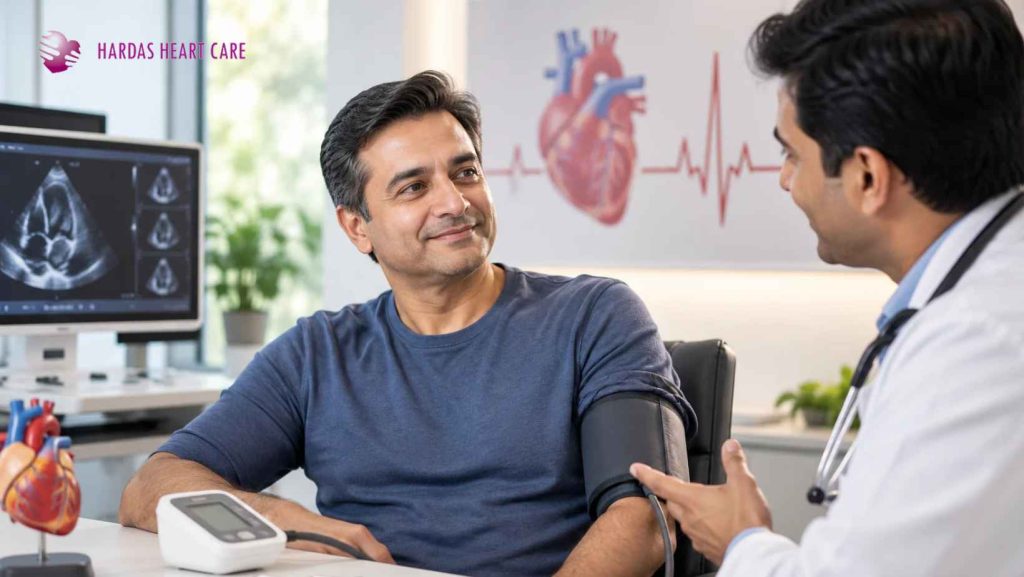
The physical examination may include checking your pulse, blood pressure, oxygen saturation and breathing, and listening to your heart and lungs.
The next step depends on what the initial assessment suggests.
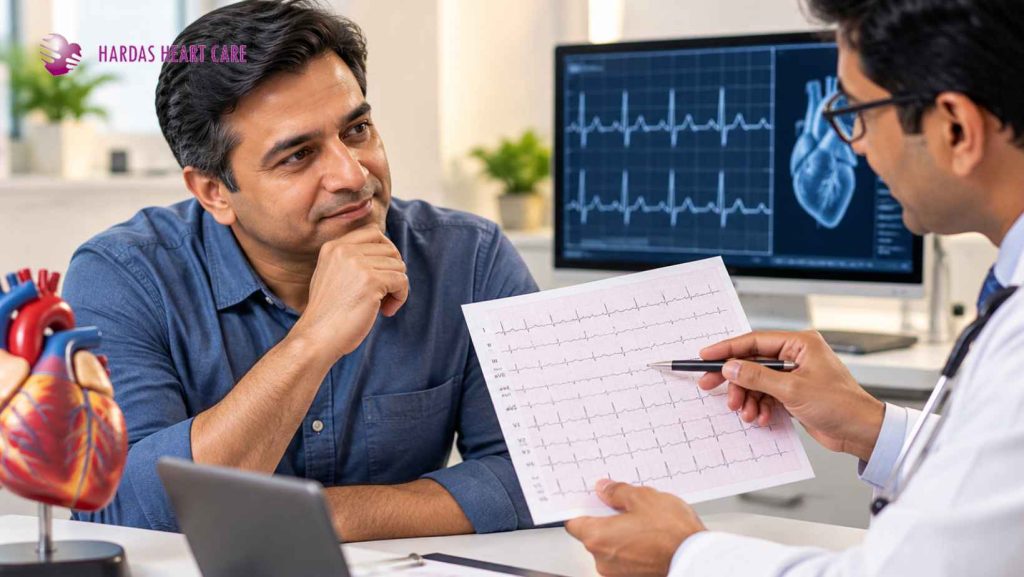
An ECG may be useful to assess heart rhythm and look for certain electrical changes. An echocardiogram may be recommended if there is concern about heart structure or pumping function. Blood tests, chest imaging, lung function tests or other investigations may also be appropriate.
Not everyone with breathlessness needs every test. The aim is to identify the likely cause and choose investigations that answer the relevant clinical questions.
Does a normal ECG mean my breathlessness is not heart-related?
No.
An ECG can provide useful information, but it cannot rule out every heart condition. If your breathlessness continues or the overall clinical picture raises concern, further evaluation may be needed even if your ECG is normal.
For example, an echocardiogram may help assess heart valves and pumping function when clinically indicated. Other tests may be considered depending on whether the concern is heart failure, coronary artery disease, a rhythm problem or another condition.
If you are experiencing unexplained breathlessness, do not rely on a single normal test for reassurance without discussing the result in the context of your symptoms.
What if my blood pressure is high?
High blood pressure often causes no noticeable symptoms, but over time it can damage blood vessels and increase cardiovascular risk.
If hypertension has affected the heart or contributed to another cardiovascular condition, it may be relevant when assessing breathlessness.
In some situations, ambulatory blood pressure monitoring (ABPM) can help establish whether blood pressure is consistently elevated outside the clinic. The device measures blood pressure at regular intervals over an extended period, often around 24 hours. It does not directly diagnose the cause of breathlessness, but it can provide useful information about blood pressure control.
If you are searching for an ABPM test near me, first discuss whether ambulatory monitoring is appropriate for your blood pressure readings and medical history.
It is not a substitute for investigating breathlessness when symptoms suggest a possible heart or lung problem.
When should breathlessness be treated as an emergency?
Please do not wait for a routine appointment if you are experiencing severe or sudden breathlessness.
Seek emergency medical care if you have sudden difficulty breathing, severe chest pain or pressure, blue or grey lips, confusion, fainting or breathlessness accompanied by other severe symptoms. Sudden breathlessness with chest discomfort, sweating, nausea or pain spreading to the arm, back, neck or jaw may indicate a heart attack.
If you are struggling to breathe, do not drive yourself to the hospital. Call your local emergency service.
Even when the symptoms are less severe, new or progressively worsening breathlessness deserves prompt medical assessment rather than repeated self-treatment.
When should you consult a heart specialist?
A cardiology consultation may be appropriate if breathlessness occurs repeatedly during exertion, is unexplained, is worsening or appears alongside symptoms such as palpitations, swelling in the legs, difficulty lying flat or reduced exercise capacity.
It may be particularly important if you have known heart disease, diabetes, hypertension or a strong family history of cardiovascular disease.
If you are looking for a heart specialist in Pune or researching the best heart hospital in Pune, focus on getting an appropriate clinical assessment and access to the investigations your doctor believes are necessary. The best next step depends on the symptoms and their urgency, not simply on which test or facility is most prominent online.
If the breathlessness is sudden or severe, go directly for emergency medical care rather than waiting for a specialist appointment.
My advice as a cardiologist
I never want patients to panic every time they feel short of breath. There are many possible causes, and several are not related to the heart.
But I also don’t want people to ignore a symptom that represents a genuine change in their health.
Pay attention to the pattern. Notice whether you are becoming breathless during activities that were previously easy, whether you need more pillows to sleep, whether your legs are swelling or whether the symptoms are getting worse.
Most importantly, don’t assume that breathlessness is simply due to age, stress, acidity or lack of fitness without considering the full picture.
Breathlessness is a symptom, not a diagnosis. Finding the cause is what matters.
Frequently Asked Questions
Is breathlessness always a sign of heart disease?
No. Breathlessness can be caused by heart conditions, lung diseases, anaemia, infections, anxiety, reduced fitness and other medical issues. The cause depends on the pattern of symptoms and clinical findings.
Can heart problems cause breathlessness without chest pain?
Yes. Some heart conditions can cause breathlessness, fatigue or reduced exercise tolerance without obvious chest pain. New or unexplained symptoms should be assessed.
Why do I get breathless when climbing stairs?
Possible causes include reduced fitness, excess weight, anaemia, lung conditions and cardiovascular problems. If the symptom is new, disproportionate to the activity or worsening, seek medical evaluation.
Can a normal ECG rule out a heart problem if I am breathless?
No. A normal ECG does not rule out every cardiac condition. Further evaluation may be appropriate depending on your symptoms and medical history.
Can high blood pressure cause breathlessness?
High blood pressure itself often causes no symptoms. However, long-standing hypertension can contribute to cardiovascular problems that may cause breathlessness. The cause should be assessed rather than assumed.
Should I get an echocardiogram for breathlessness?
An echocardiogram may be useful when your symptoms, examination or medical history suggest a problem with heart structure or function. Your clinician will determine whether it is appropriate and whether other investigations are needed.
Can anxiety cause shortness of breath?
Yes, anxiety can affect breathing and create a sensation of air hunger. However, new, persistent or severe breathlessness should not automatically be attributed to anxiety without considering other causes.
When should I go to the hospital for breathlessness?
Sudden or severe breathlessness, especially with chest pain, fainting, confusion, blue or grey lips or other severe symptoms, requires emergency medical care.
Final takeaway
Breathlessness is not always a heart problem, but it should not be ignored when it is new, persistent, worsening or unexplained.
The heart, lungs, blood and other systems all play a role in getting oxygen around the body. A proper assessment helps identify which part may be responsible and what treatment, if any, is needed.
Don’t focus only on whether you have chest pain. Pay attention to changes in your breathing and exercise tolerance, too.
This article is for general health education and does not replace an individual medical consultation. Seek emergency care for sudden or severe breathing difficulty.