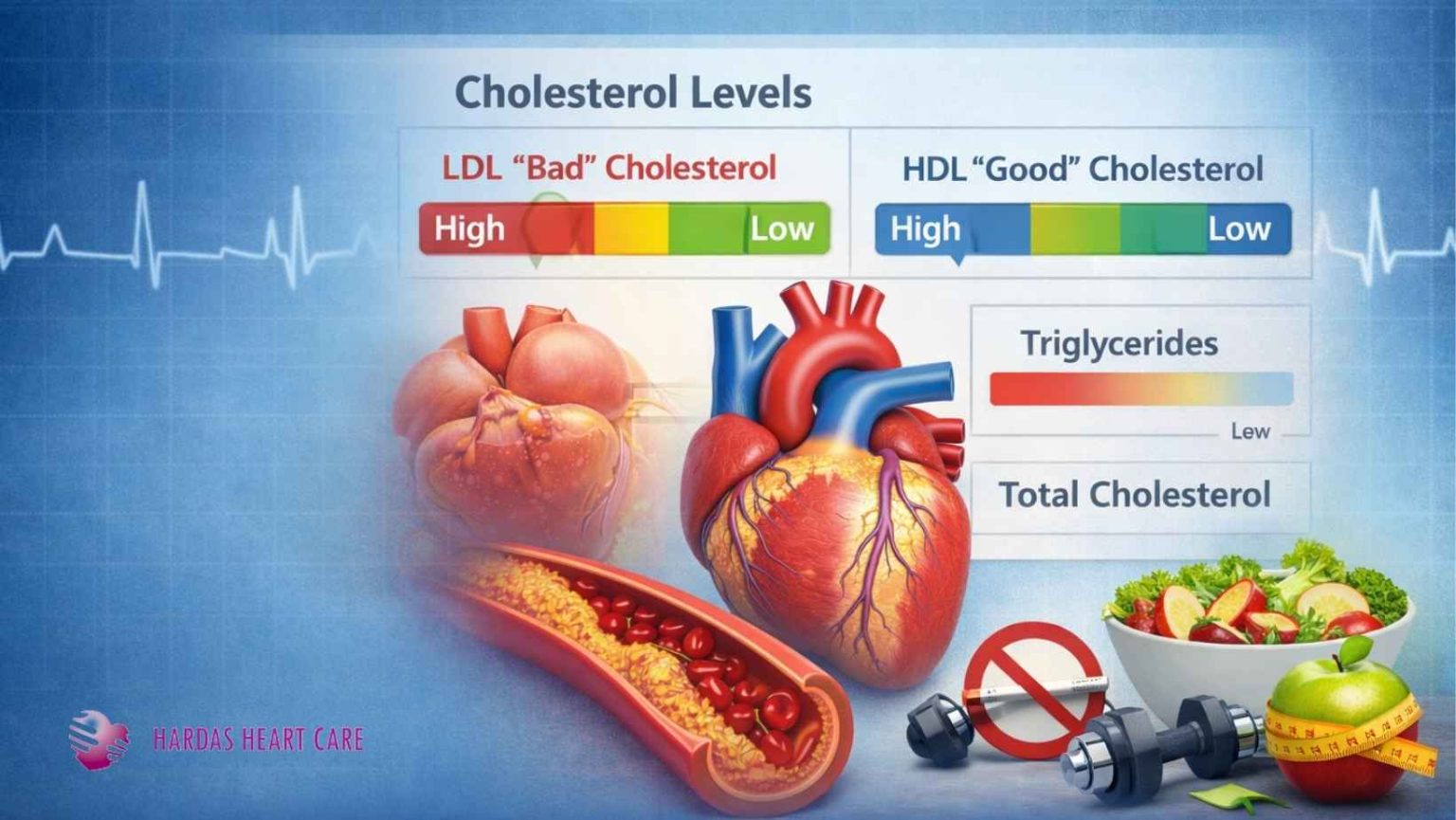
Cholesterol plays a key role in your body—it’s essential for building cells, producing hormones, and supporting overall metabolism. But when certain cholesterol numbers rise too high, they can silently increase your risk of heart disease, stroke, and other cardiovascular events. As the best cardiovascular surgeon in Pune, Dr. Suhas Hardas emphasizes that understanding and controlling your cholesterol levels is one of the most important steps you can take for lifelong heart health.
In this comprehensive guide, we’ll break down what your cholesterol numbers mean, how they affect your heart, and evidence-based steps you can take to manage them effectively—with or without medication.
What Is Cholesterol and Why It Matters
Cholesterol is a waxy substance made by your liver and found in animal-based foods. Your body needs it for normal functioning, but too much of the wrong kinds of cholesterol can deposit in your artery walls. Over time, these deposits form plaque—leading to narrowing of arteries, reduced blood flow, angina, heart attacks, and other serious cardiovascular problems.
Heart disease remains a leading cause of death globally, and high cholesterol is one of the most significant modifiable risk factors.
Understanding Your Lipid Panel: Numbers Explained
A standard cholesterol test (called a lipid panel) provides several numbers that tell a story about your cardiovascular health.
1. LDL — “Bad” Cholesterol
LDL (low-density lipoprotein) carries cholesterol into your bloodstream. When LDL levels are high, more cholesterol can infiltrate artery walls and form plaque. Most doctors focus treatment on lowering LDL first because of its direct link to heart disease.
Healthy LDL ranges:
- Optimal: <100 mg/dL
- Near optimal: 100–129 mg/dL
- Borderline high: 130–159 mg/dL
- High: 160–189 mg/dL
- Very high: ≥190 mg/dL
2. HDL — “Good” Cholesterol
HDL (high-density lipoprotein) helps carry it away from arteries to the liver for removal. Higher HDL is generally heart-protective, though improving HDL alone doesn’t guarantee lower risk if LDL remains high.
3. Triglycerides
Triglycerides are another type of blood fat. Elevated levels often accompany high LDL and metabolic issues such as insulin resistance and obesity.
4. Total Cholesterol
This is the sum of LDL, HDL, and a portion of triglycerides. While useful for screening, total cholesterol can be misleading if looked at without context.
Why Regular Testing Matters
Adults should begin cholesterol screening in early adulthood. If levels are normal and risk factors are low, testing every 4–6 years is reasonable. Once you’re over 40 or have risk factors like diabetes or family history of heart disease, more frequent checks are prudent.
Early detection helps you intervene before plaque buildup narrows arteries to a dangerous degree.
Lifestyle Changes That Really Work
It isn’t only about genetics; lifestyle choices strongly affect your numbers and overall cardiovascular risk.
1. Heart-Healthy Diet
The foods you eat are one of the most powerful levers for cholesterol control.
- Reduce saturated and trans fats: These raise LDL cholesterol. Limit butter, fatty meats, cream, and processed snacks.
- Choose healthy fats: Olive oil, fatty fish (salmon, sardines), nuts, and seeds improve lipid profiles.
- Eat more soluble fiber: Oats, beans, lentils, fruits, and vegetables bind cholesterol in the gut, helping remove it from the body.
- Cut sugar and refined carbs: These can elevate triglycerides, contribute to weight gain, and worsen insulin resistance.
A therapeutic diet—like the Portfolio Diet or DASH diet—can even lower LDL almost as effectively as low-dose medications in some people.
2. Physical Activity
Regular exercise raises HDL (good cholesterol), lowers triglycerides, and improves insulin sensitivity. Aim for at least 150 minutes per week of moderate activity—brisk walking, swimming, cycling, or dancing are all excellent choices.
3. Maintain Healthy Weight
Even a modest weight loss (5–10 %) can significantly improve cholesterol numbers and cardiovascular risk.
4. Quit Smoking
Smoking not only lowers protective HDL cholesterol but also damages artery walls, making it easier for plaque to form.
5. Get Quality Sleep
Poor sleep is linked to unfavorable cholesterol levels and metabolic imbalance. Strive for 7–9 hours of restful sleep per night.
Medical Management When Lifestyle Isn’t Enough
Sometimes, lifestyle changes alone aren’t sufficient—especially if genetically driven cholesterol or atherosclerosis is present. Medications such as statins have decades of evidence showing they reduce LDL and significantly lower the risk of heart attack and stroke.
Other options like PCSK9 inhibitors or combination therapies may be appropriate for people with very high LDL or those with prior heart disease.
Decisions around medication should be individualized between you and your cardiologist.
Putting It All Together: Your Heart Plan
- Know your numbers—ask for a lipid panel.
- Assess your overall risk—age, blood pressure, family history, diabetes.
- Commit to small but consistent lifestyle shifts.
- Follow up regularly—track improvements and adapt strategies.
Remember: cholesterol control isn't about perfection—it’s about steady, health-enhancing habits that improve your numbers and reduce risk over time.
Conclusion: Take Charge of Your Heart Health
It is more than just a number. It’s a powerful indicator of your heart’s future. With the right knowledge, habits, and medical guidance from the best cardiovascular surgeon in Pune, you can confidently manage your cholesterol and protect your heart for decades to come.
Ready to take the next step? Schedule a consultation with Dr. Suhas Hardas today to craft a personalized heart health plan tailored to your lifestyle and goals.