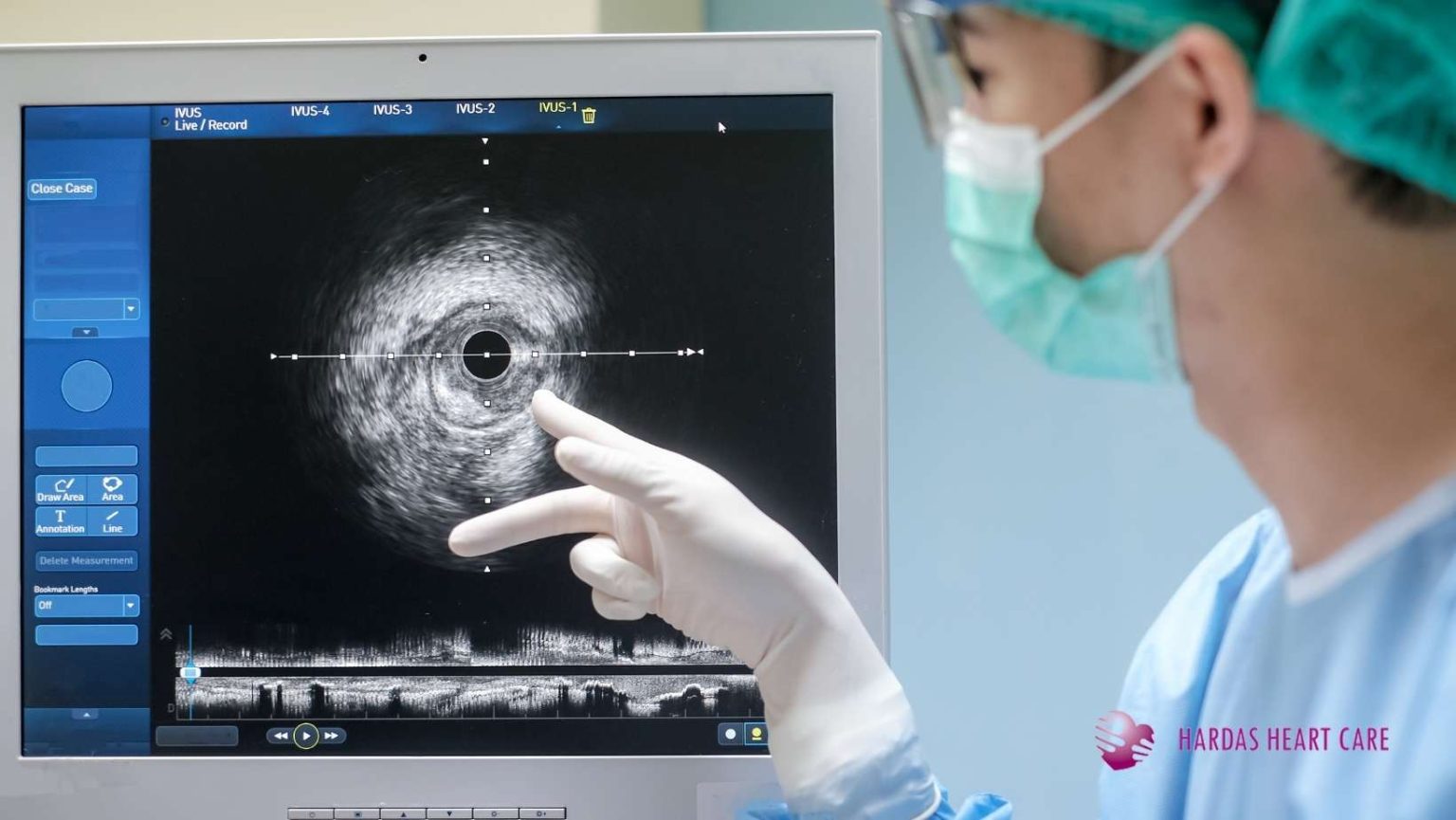
Cardiac Catheterization
Heart health is one of the most important parts of human life. It allows us to walk, work, travel, and experience moments with the people we love. But when the heart begins to struggle, even ordinary activities become difficult. Shortness of breath, chest pressure, dizziness, or unexplained fatigue can be frightening. Many people get confused when doctors mention tests like cardiac catheterization. This creates fear and uncertainty because most people do not understand what it means. If you are searching for a reliable cardiac catheterization specialist Pune, this guide will help you understand what the procedure is, why it is done, and how it keeps your heart safe.
This blog has been carefully written in simple language so patients and families with no medical background can understand cardiac catheterization with confidence.
1. What Is Cardiac Catheterization?
Cardiac catheterization is a medical procedure used to diagnose and treat problems related to the heart and blood vessels. In this procedure, a doctor inserts a very thin and flexible tube called a catheter into an artery or vein, usually from the wrist or groin. The catheter travels gently through the blood vessels and reaches the heart.
You may imagine that this is painful or complicated, but it isn’t. The area where the catheter is inserted is numbed with local anesthesia, so patients remain awake and comfortable. The procedure allows doctors to:
- See blockage inside heart arteries
- Measure blood pressure inside the heart
- Evaluate blood flow
- Check valve problems
- Plan treatments like angioplasty or stenting
A skilled cardiac catheterization specialist Pune performs this procedure safely and explains every step to the patient in advance.
2. Why Is Cardiac Catheterization Done?
Many people assume this procedure is only for emergencies. That is not true. Cardiac catheterization can be used for diagnosis as well as treatment.
Important reasons include:
- Chest pain (angina): Persistent discomfort in the chest may indicate clogged arteries.
- Heart attack: The procedure helps diagnose how severe it is and guide treatment.
- Irregular heartbeat: Doctors check if the heart rhythm is affected by limited blood flow.
- Shortness of breath: Blocked arteries reduce oxygen supply to the heart, causing breathlessness.
- Abnormal test results: If ECG, stress test, or echocardiogram results raise concerns.
- The goal is simple: find the root cause of the problem quickly and treat it before complications develop.
3. Understanding Heart Blockages in Simple Terms
To understand cardiac catheterization, you must first understand heart blockages. Think of your heart as a water pump and coronary arteries as pipes delivering clean water. Over time, waste materials or debris may collect in the pipes and slow the water flow. In the human body, these “wastes” are cholesterol and fat deposits. When they build up on artery walls, blood flow becomes limited. This condition is called coronary artery disease.
When one of these arteries becomes severely blocked, parts of the heart muscle are unable to get enough blood and oxygen. This is when patients experience:
- Heaviness in the chest
- Pain in both arms
- Back or neck discomfort
- Fatigue or weakness
- Sweating or nausea
When such symptoms appear, a cardiac catheterization specialist Pune will study the blockage through a procedure known as coronary angiography, which is performed using the catheter.
4. How Cardiac Catheterization Helps Doctors Make Decisions
Not every person with chest pain needs surgery or angioplasty. The main advantage of cardiac catheterization is clarity. Doctors get real, live images of your arteries and heart, which helps them answer questions such as:
-How many arteries are blocked?
-How severe is the blockage?
-Is it dangerous?
-Will medicines work?
-Is angioplasty needed?
-Is bypass surgery necessary?
This avoids guesswork. Instead of treating symptoms blindly, doctors treat the root cause.
5. What to Expect Before the Procedure
Many patients fear medical procedures because they don’t know what will happen. When you consult a cardiac catheterization specialist Pune, the process is explained step-by-step.
Initial Consultation
Your doctor will ask:
- What symptoms you feel
- When symptoms started
- Family history of heart disease
- Lifestyle habits (diet, smoking, exercise)
- Stress levels
- Previous medical conditions
Diagnostic Tests
You may undergo:
- ECG (Electrocardiogram)
- Echo
- Stress test
- Blood tests
If these tests suggest blockage, your cardiologist may recommend cardiac catheterization to confirm.
6. Step-by-Step: How Cardiac Catheterization Is Done
To help non-medical readers, here is the procedure in simple steps:
Step 1: Local Anesthesia
Only the wrist or groin area is numbed. You remain conscious.
Step 2: Tiny Catheter Insertion
A flexible tube is gently inserted into your artery.
Step 3: Navigation Through Blood Vessels
Using live imaging screens, the doctor guides the tube toward the heart safely.
Step 4: Injection of Special Dye
A medical dye is injected through the catheter. It shows blocked or narrow vessels on a monitor.
Step 5: Diagnosis
The images help doctors understand the depth and seriousness of blockages.
Step 6: Treatment If Necessary
If a blockage is serious, the specialist may:
- Use a balloon to widen the artery
- Insert a stent to keep it open
- This is called angioplasty and is often done during the same sitting.
The procedure typically takes 20–45 minutes.
7. Will the Procedure Hurt?
Cardiac catheterization is not painful. You may feel a pinch when the needle numbs the skin, and afterward you will feel pressure or movement but not sharp pain. Millions of people undergo this procedure every year and recover smoothly. When done by an experienced cardiac catheterization specialist Pune, it is extremely safe.
8. Possible Risks — Explained Without Scaring You
No medical procedure is risk-free, but cardiac catheterization is considered very safe. Minor risks include:
- Slight bleeding at the insertion point
- Bruising
- Temporary discomfort
- Very rare risks include:
- Dye allergy
- Irregular heart rhythm
- Blood vessel damage
Experienced specialists and modern equipment significantly reduce these risks.
9. After the Procedure: What to Expect
You will be monitored for a few hours. Nurses check your heart rate, blood pressure, oxygen levels, and insertion point. If the procedure was done from the wrist, you may be allowed to walk sooner. If done from the groin, you may need to lie flat for some time.
Most patients return home within 24–48 hours.
Doctor’s Instructions May Include:
- Resting
- Drinking more water (to flush dye)
- Taking prescribed medicines
- Avoiding heavy lifting for a few days
Follow every instruction strictly. It ensures healing and prevents complications.
10. Living a Heart-Healthy Life After Catheterization
Cardiac catheterization helps diagnose or fix blockages, but it doesn’t cure unhealthy habits. If patients return to an unhealthy lifestyle, blockages can form again.
Simple Lifestyle Guidelines:
- Balanced Diet
- Focus on fruits, vegetables, whole grains
- Reduce fried and fatty foods
- Avoid alcohol excess
- Drink enough water
Exercise
Start slowly—walking, cycling, yoga. Always follow your doctor’s recommendations.
Stop Smoking
Smoking damages arteries faster than many other habits.
Control Stress
Chronic stress affects blood pressure and sleep. Try meditation, hobbies, or counseling.
Regular Check-ups
After procedures, patients need:
- Blood pressure checks
- Cholesterol monitoring
- ECG follow-ups
- Medication reviews
Your cardiac catheterization specialist Pune may also suggest cardiac rehabilitation, a supervised recovery program.
11. Myths About Cardiac Catheterization
Many misconceptions exist, especially among elderly parents and families.
- Myth 1: It is painful and dangerous
Truth: The procedure is routinely done with local anesthesia and is very safe. - Myth 2: It is only for very sick people
Truth: It is also a diagnostic tool to prevent serious illness. - Myth 3: You cannot walk afterward
Truth: Most people walk within hours. - Myth 4: It leads to permanent weakness
Truth: Recovery is quick and most patients return to daily normal activities soon.
12. How to Choose the Right Cardiac Catheterization Specialist Pune
Your outcome depends greatly on the experience of your specialist. Consider the following:
a. Expertise
Look for someone who has handled many catheterization cases.
b. Hospital Infrastructure
Ensure the hospital has:
-A dedicated Cath-Lab
-Emergency support
-ICU facilities
c. Communication
A good doctor should explain:
-Why the procedure is needed
-What will happen
-Recovery guidelines
-Costs and insurance
d. Patient Reviews
Ask others or read verified reviews. Real patient stories are powerful indicators.
One respected expert in the city is Dr. Suhas Hardas, known for his patient-centric approach and years of cardiology experience. Specialists who listen, educate, and guide patients with clarity build trust that treatment alone cannot achieve.
13. Who Should Not Have Cardiac Catheterization?
In most cases, cardiac catheterization is appropriate. But a specialist may avoid it if a patient has:
- Severe infection
- Very poor kidney function
- Active bleeding issues
- Certain uncontrolled medical conditions
Each case is unique. Only a trained cardiac catheterization specialist Pune can judge the best direction after examining your medical profile.
14. Cost, Insurance, and Practical Considerations
The cost of catheterization varies depending on:
- Hospital location
- Whether a stent is placed
- Type of stent (drug-coated or bare metal)
- Length of stay
- Medications afterward
- Insurance
Many insurance plans cover cardiac catheterization and angioplasty. Patients should always consult the hospital billing team before the procedure to avoid last-minute stress.
15. Emotional Preparation and Family Support
Heart procedures can be emotionally overwhelming. Patients worry about risks; families fear losing their loved ones. Here are emotional health tips:
- Ask your doctor questions openly
- Keep trusted family members informed
- Avoid internet-based panic
- Accept that modern heart care is advanced
- Focus on recovery, not fear
Your calm mindset deeply influences your healing and confidence.
16. The Bigger Picture: A Lifesaving Opportunity
Cardiac catheterization is not merely a “procedure.” It is a window into your heart. It can diagnose life-threatening problems before they turn deadly. Also it can open blocked vessels, restore blood flow, and prevent a heart attack. When performed by a reliable cardiac catheterization specialist Pune, it becomes a life-saving solution.
Conclusion
If you or a loved one is experiencing heart-related symptoms — persistent chest pain, shortness of breath, dizziness, or unexplained weakness — do not ignore them. Early diagnosis prevents serious complications. Consulting an experienced cardiac catheterization specialist Pune can help you understand your condition clearly, receive proper treatment, and avoid long-term damage.
Modern heart care is precise, safe, and highly effective. With the right doctor, medications, follow-ups, and a healthy lifestyle, patients can return to a strong and active life. Remember: your heart is not just a biological machine — it is the engine of your entire life. Treat it with the care it deserves.