Heart disease has become one of the most common health concerns among adults in India. What is alarming is that it is no longer restricted to the elderly. Young professionals, homemakers, and even people who appear physically fit are increasingly being diagnosed with high blood pressure, cholesterol imbalance, and early signs of heart disease. While genetics play a role, daily food habits—especially lunch—have a powerful impact on heart health.
As a top cardiologist in Pune, Dr. Suhas Hardas often observes that lunch is the most misunderstood meal of the day. Many people either eat too much, eat the wrong foods, or skip lunch entirely due to busy schedules. Over time, these habits silently strain the heart and blood vessels.
A heart-healthy lunch does not mean eating tasteless food or following extreme diets. It means understanding balance, portion control, and food combinations that support cardiovascular health while fitting into Indian eating patterns.
Why Lunch Plays a Critical Role in Heart Health
Lunch is usually the largest meal of the day and directly affects blood sugar levels, cholesterol metabolism, and energy balance. When lunch is heavy in refined carbohydrates, excess oil, or salt, it forces the heart to work harder. This leads to post-meal fatigue, sugar spikes, and increased triglyceride levels, which are major risk factors for heart disease.
On the other hand, a well-planned lunch helps maintain steady energy, keeps blood pressure under control, and supports healthy cholesterol levels. According to guidance followed by a top cardiologist in Pune, lunch should nourish the body without overwhelming it.
What Makes a Lunch Truly Heart-Healthy
A heart-healthy lunch is built on balance rather than restriction. The focus is on including the right foods in the right proportions. Indian meals are naturally diverse, and with small modifications, they can become extremely beneficial for the heart.
The foundation of a heart-friendly lunch includes complex carbohydrates that digest slowly, adequate protein to support muscle and metabolism, fiber-rich vegetables to reduce cholesterol absorption, and a small amount of healthy fat. When these elements are combined correctly, the heart receives steady fuel instead of sudden metabolic stress.
Choosing the Right Carbohydrates for Lunch
Carbohydrates often get blamed for heart problems, but the truth is that the type of carbohydrate matters far more than the quantity. Refined carbohydrates cause rapid sugar spikes, leading to insulin resistance and fat storage around vital organs.
A top cardiologist in Pune recommends choosing whole grains such as jowar, bajra, multigrain roti, brown rice, or hand-pounded rice. These grains release energy slowly and help keep blood sugar and cholesterol levels stable. When eaten in controlled portions, they provide sustained energy without burdening the heart.
White rice, maida-based rotis, and highly processed foods should be limited, especially for people with diabetes or high cholesterol.
The Importance of Protein in an Indian Lunch
One of the most common dietary gaps seen by cardiologists is low protein intake at lunch. Many traditional Indian meals are heavily carbohydrate-based, with very little protein. This imbalance leads to muscle loss, increased hunger, and poor metabolic health, all of which indirectly affect heart function.
Including adequate protein in lunch helps regulate appetite, improves fat metabolism, and supports heart muscle strength. Protein can come from dals, legumes, beans, curd, paneer, sprouts, tofu, eggs, or fish. Even vegetarian meals can easily meet protein needs when planned correctly.
A top cardiologist in Pune emphasizes that protein is essential not only for fitness but also for long-term cardiac health.
Vegetables as Natural Heart Protectors
Vegetables play a powerful role in protecting the heart. They are rich in fiber, antioxidants, potassium, and essential micronutrients that reduce inflammation and improve blood vessel function. Regular intake of vegetables helps lower bad cholesterol and supports healthy blood pressure.
Including at least two types of vegetables in lunch—one cooked and one raw—is a simple habit that delivers long-term benefits. Indian vegetables such as lauki, tinda, bhindi, palak, cabbage, carrot, beans, and pumpkin are particularly heart-friendly when cooked with minimal oil.
Steaming, sautéing, or pressure cooking vegetables preserves nutrients and avoids unnecessary fat intake.
Understanding Fats and Their Impact on the Heart
Fat is often misunderstood and completely avoided, which is not ideal. The heart needs healthy fats, but only in small quantities. The quality of fat matters more than the amount.
Using oils such as groundnut oil, mustard oil, rice bran oil, or olive oil in moderation supports heart health. Nuts and seeds also provide beneficial fats when consumed in small portions. However, excess ghee, butter, vanaspati, and reused cooking oil can increase LDL cholesterol and should be avoided.
A heart-healthy lunch uses fat wisely, not excessively.
Salt: The Hidden Risk in Daily Meals
Excess salt intake is one of the leading contributors to high blood pressure. Many people unknowingly consume large amounts of salt through papads, pickles, chutneys, packaged foods, and restaurant meals.
From a cardiologist’s perspective, reducing salt is one of the most effective lifestyle changes for heart protection. Simple habits such as tasting food before adding salt and limiting processed foods can significantly reduce blood pressure risk.
A top cardiologist in Pune often reminds patients that salt reduction works best when practiced consistently rather than occasionally.
Heart-Healthy Indian Lunch in Daily Life
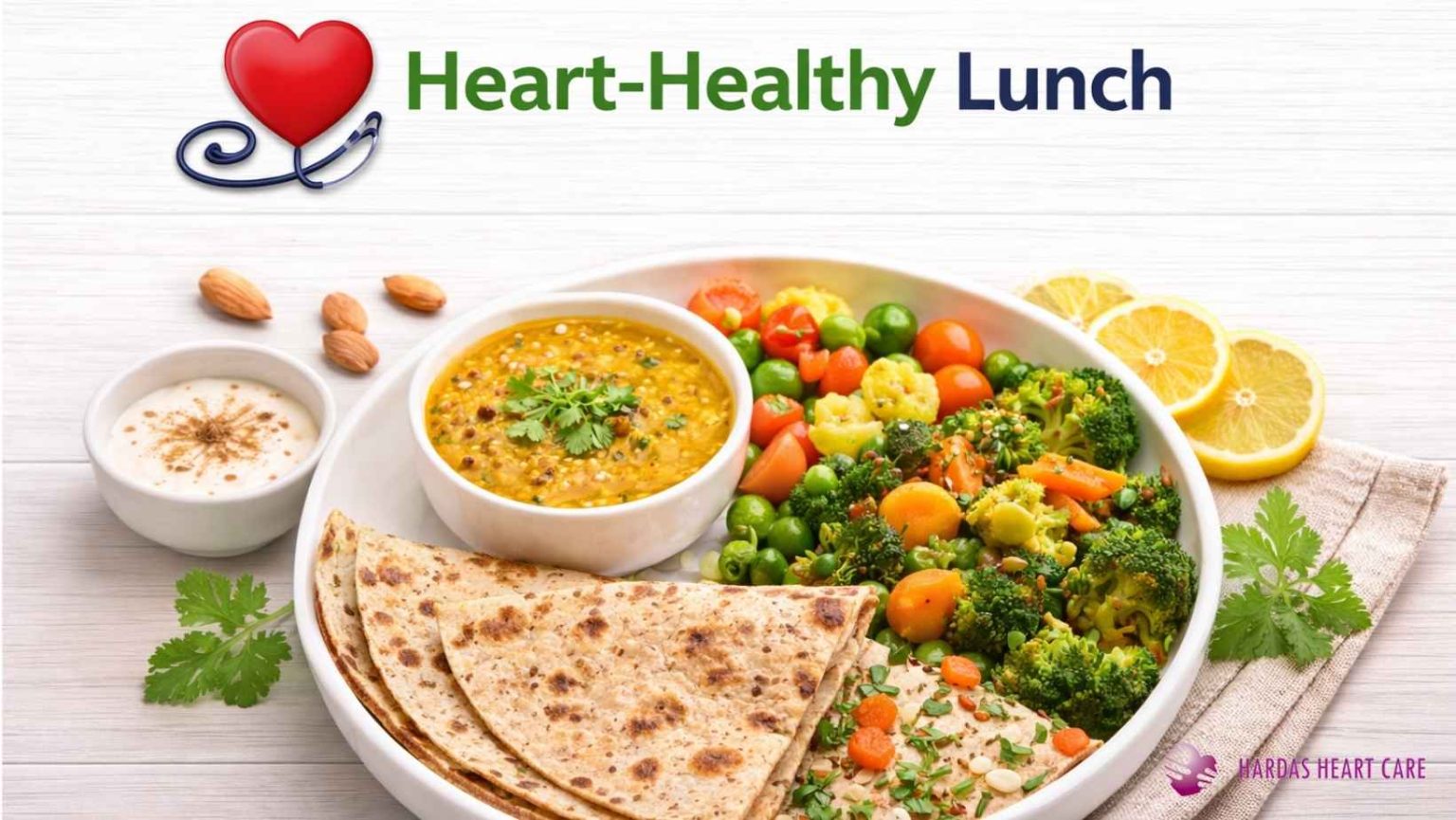
A heart-friendly lunch does not require special ingredients or complicated cooking. A simple meal with a multigrain roti, vegetable sabzi, dal, salad, and plain curd can meet most nutritional needs. For non-vegetarians, grilled fish or egg whites can be included along with vegetables and whole grains.
Even office lunch boxes can be heart-healthy when planned mindfully. Meals like vegetable dal khichdi, stir-fried vegetables with minimal oil, and roasted chana are practical and nourishing.
Common Lunch Habits That Damage the Heart
Many heart problems develop due to routine habits that seem harmless. Skipping lunch and overeating at night, eating fast food due to time constraints, consuming large rice portions daily, or ending meals with sugary desserts all increase cardiac risk over time.
Eating in a hurry, distracted by screens, also affects digestion and hormone balance. A top cardiologist in Pune often advises patients to slow down, sit comfortably, and eat mindfully.
Who Needs Extra Care With Lunch Choices
People with high blood pressure, diabetes, obesity, high cholesterol, or a family history of heart disease need personalized dietary guidance. What works for one person may not work for another, especially when medications are involved.
Consulting a top cardiologist in Pune helps align diet with medical treatment and lifestyle needs, ensuring long-term heart protection rather than short-term fixes.
Why Cardiologist-Guided Nutrition Matters
Social media trends and crash diets often ignore medical history and Indian food habits. This can do more harm than good. Cardiologist-guided nutrition focuses on sustainability, balance, and disease prevention rather than extreme restriction.
Under the guidance of Dr. Suhas Hardas, patients learn how to enjoy Indian food while protecting their heart health in the long run.
Conclusion
A heart-healthy lunch is not about perfection or rigid rules. It is about small, consistent choices made every day. When lunch is balanced, timely, and mindful, it becomes one of the strongest tools for preventing heart disease.
With the right guidance from a top cardiologist in Pune, heart health can be protected not through fear, but through informed and sustainable eating habits.