High blood pressure, also called hypertension, is one of the most common health conditions affecting people today. Many people live with high blood pressure without knowing it because it often shows no clear symptoms. Over time, uncontrolled blood pressure can increase the risk of heart disease, stroke, and kidney problems.
The good news is that high blood pressure can be managed with proper lifestyle changes, regular monitoring, and medical care. If you are looking for high blood pressure treatment in Pune, consulting an experienced cardiologist can help you manage the condition effectively.
What Is High Blood Pressure?
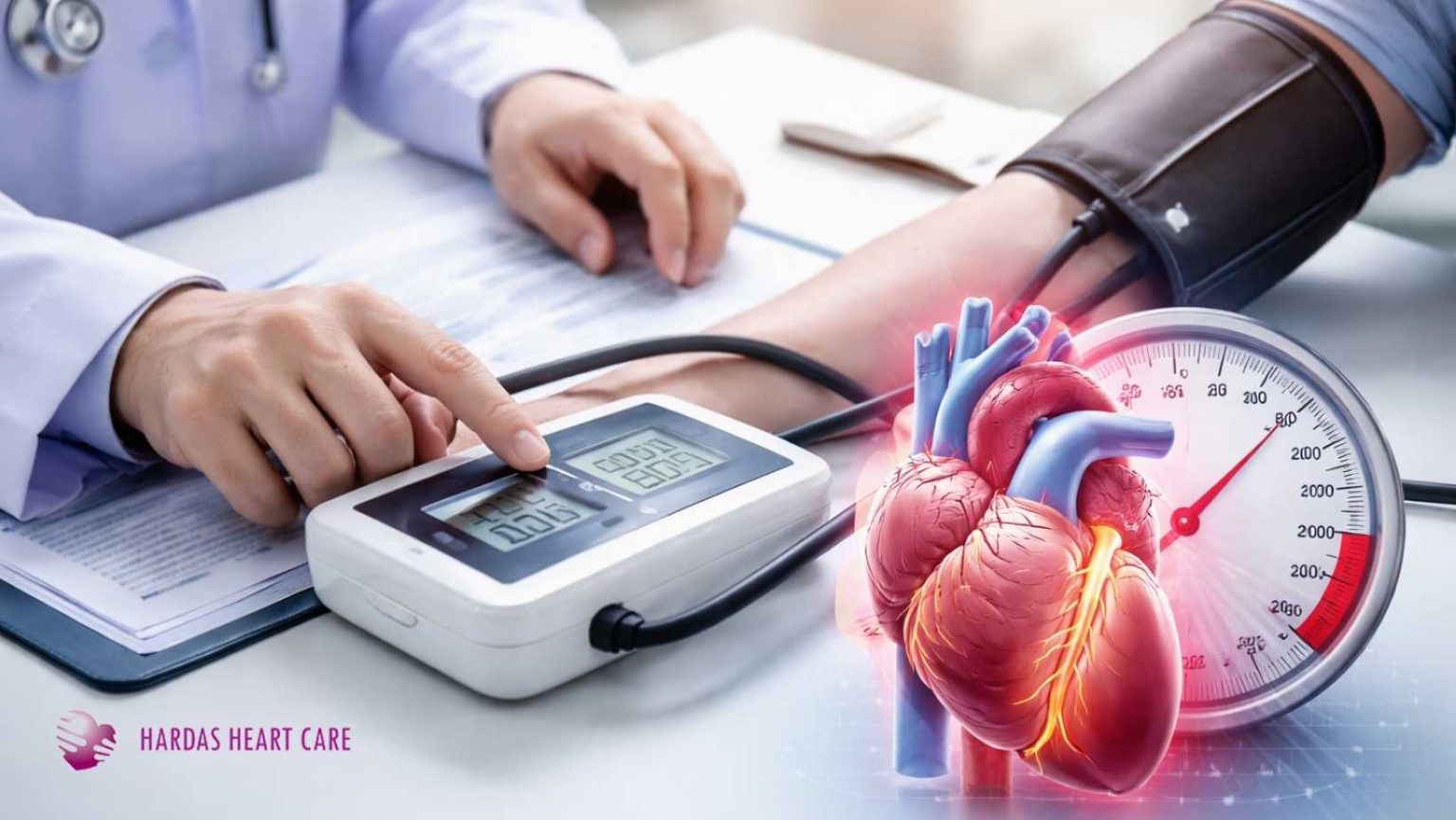
Blood pressure is the force of blood pushing against the walls of your arteries. It is measured using two numbers:
- Systolic pressure – pressure when the heart beats
- Diastolic pressure – pressure when the heart rests between beats
A normal blood pressure level is usually around 120/80 mmHg. When the readings stay consistently higher than normal, it is considered high blood pressure.
Hypertension puts extra pressure on the heart and blood vessels. If not treated, it can damage important organs like the heart, brain, and kidneys.
Common Causes of High Blood Pressure
High blood pressure can develop due to many factors. Some causes are related to lifestyle, while others are linked to health conditions or genetics.
Some common causes include:
Unhealthy Diet
Eating foods high in salt, processed foods, and unhealthy fats can raise blood pressure.
Lack of Physical Activity
A sedentary lifestyle can increase the risk of hypertension and heart disease.
Stress
Chronic stress may contribute to increased blood pressure levels over time.
Obesity
Excess body weight forces the heart to work harder to pump blood.
Smoking and Alcohol
Smoking damages blood vessels, and excessive alcohol intake can increase blood pressure.
Family History
People with a family history of hypertension may have a higher risk.
Symptoms of High Blood Pressure
One of the biggest challenges with hypertension is that it is often called a “silent condition.” Many people may not experience noticeable symptoms.
However, some individuals may experience:
- Frequent headaches
- Dizziness
- Shortness of breath
- Chest discomfort
- Blurred vision
- Fatigue
If you experience these symptoms frequently, it is important to check your blood pressure and seek medical advice.
Why High Blood Pressure Is Dangerous
If high blood pressure is left untreated, it can lead to serious health complications.
Some of the risks include:
- Heart attack
- Stroke
- Heart failure
- Kidney damage
- Vision problems
High blood pressure slowly damages blood vessels and organs over time. That is why early diagnosis and proper treatment are important.
How to Control High Blood Pressure
The good news is that hypertension can often be managed with simple lifestyle changes and medical treatment when necessary.
Maintain a Healthy Diet
A heart-friendly diet can help control blood pressure. Focus on:
- Fresh fruits and vegetables
- Whole grains
- Low-fat dairy products
- Reduced salt intake
Avoid excessive processed foods and high-sodium snacks.
Exercise Regularly
Regular physical activity helps keep the heart strong and improves blood circulation.
Aim for at least 30 minutes of moderate exercise such as walking, cycling, or yoga most days of the week.
Manage Stress
Long-term stress may contribute to increased blood pressure. Techniques such as meditation, deep breathing, and yoga can help reduce stress.
Maintain Healthy Weight
Losing even a small amount of excess weight can make a big difference in blood pressure levels.
Avoid Smoking and Limit Alcohol
Quitting smoking improves heart health and lowers the risk of cardiovascular diseases. Limiting alcohol consumption also helps control blood pressure.
Monitor Blood Pressure Regularly
Regular blood pressure checks help detect hypertension early and track treatment progress.
When to See a Cardiologist
If your blood pressure readings remain high or if you have symptoms such as chest discomfort, breathlessness, or dizziness, you should consult a doctor.
An experienced cardiologist can evaluate your condition, identify the cause, and recommend the right treatment plan.
If you are searching for high blood pressure treatment in Pune, timely consultation and proper care can help prevent serious heart complications.
Final Thoughts
High blood pressure is a common condition, but it should never be ignored. With the right lifestyle habits, regular monitoring, and medical guidance, it is possible to keep blood pressure under control and protect your heart health.
Early diagnosis and proper care play a key role in preventing long-term complications. If you notice any warning signs or have a family history of hypertension, scheduling a heart health checkup can help you stay safe and healthy.