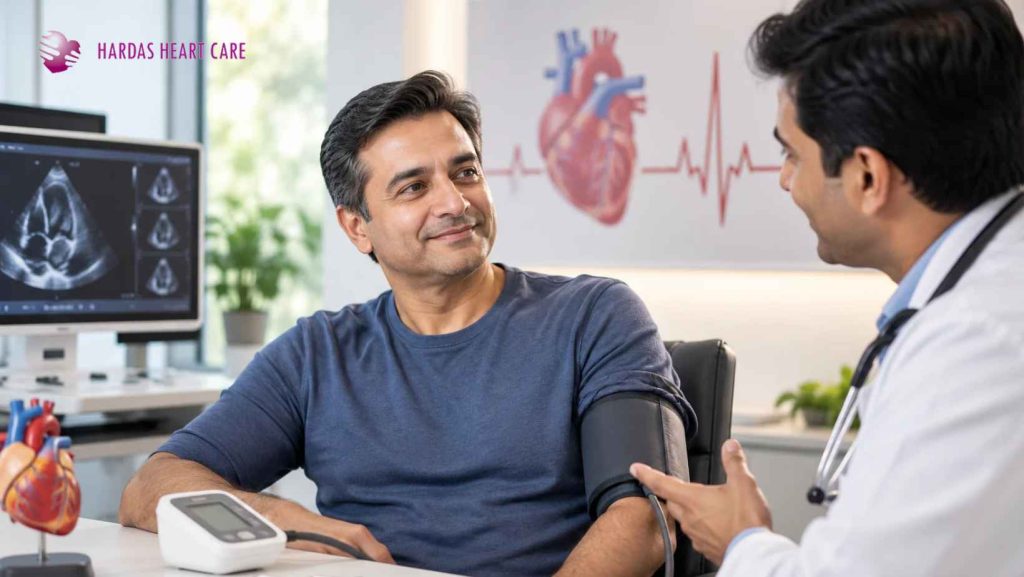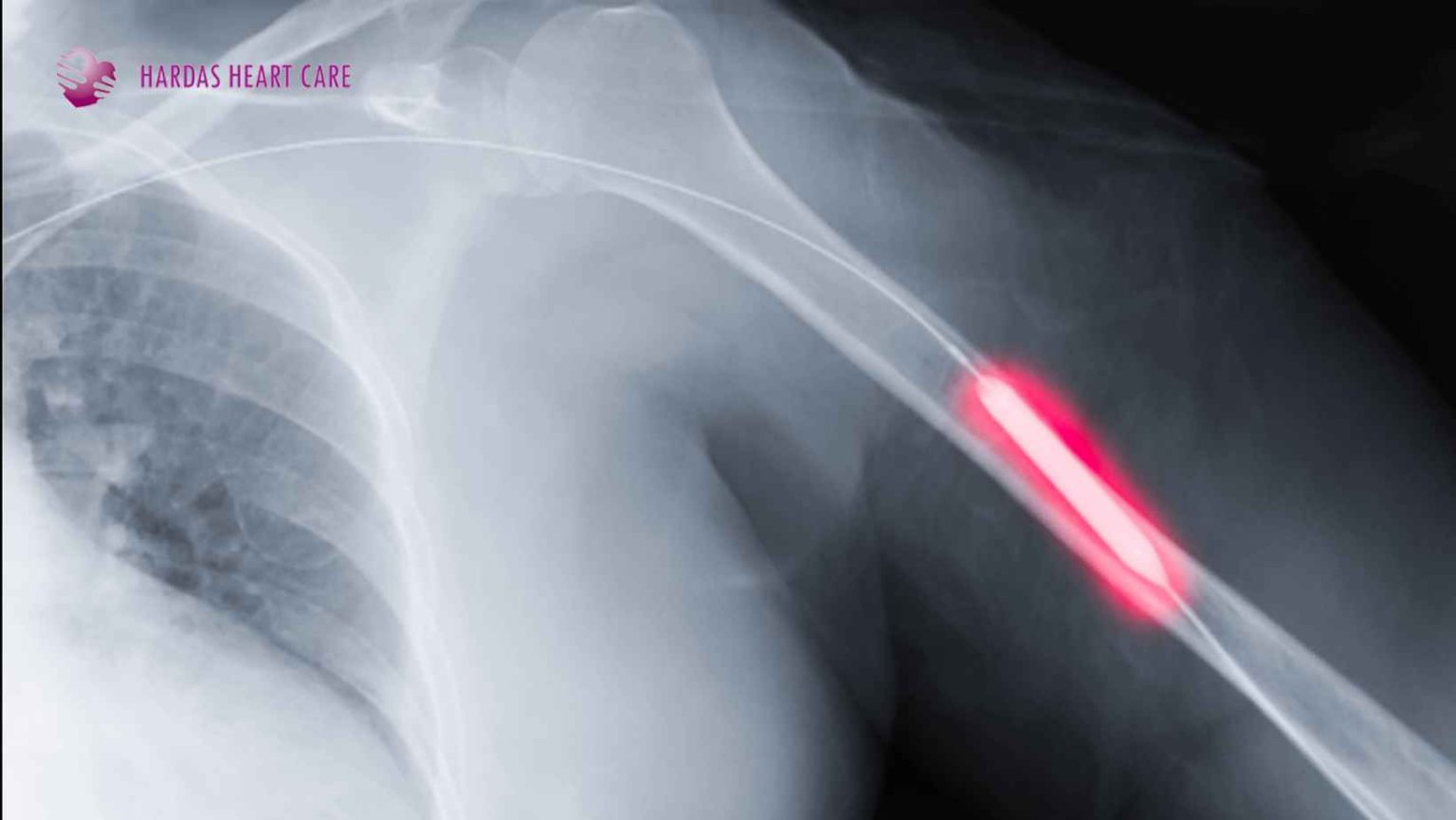
Yes, most patients can return to a normal, active, and fulfilling life after angioplasty. Recovery depends on the extent of heart disease, timely treatment, lifestyle changes, medication adherence, and regular follow-up with a cardiologist. Angioplasty restores blood flow, but long-term heart health requires ongoing care to reduce the risk of future blockages.
One of the first questions patients ask after angioplasty is:
“Doctor, can I get back to my normal life?”
The answer is reassuring: for many people, the answer is yes.
Angioplasty is performed to restore blood flow to the heart by opening narrowed or blocked coronary arteries. Many patients experience significant relief from chest pain and breathlessness soon after the procedure.
However, angioplasty should not be viewed as the end of treatment. It is the beginning of a long-term partnership between the patient and the healthcare team to protect the heart and prevent future complications.
What Is Angioplasty?
Angioplasty, also called Percutaneous Coronary Intervention (PCI), is a minimally invasive procedure used to improve blood flow through narrowed coronary arteries.
During the procedure:
- A thin catheter is inserted through an artery in the wrist or groin.
- A small balloon is inflated to widen the narrowed artery.
- In most cases, a stent (a small mesh tube) is placed to keep the artery open.
The goal is to restore blood flow to the heart muscle, relieve symptoms, and reduce the risk of heart damage.
Can Life Really Return to Normal?
In many cases, yes.
Patients are often able to:
- Return to work.
- Resume daily activities.
- Travel.
- Exercise with medical guidance.
- Spend quality time with family.
- Enjoy hobbies and social life.
The key is understanding that the stent treats the blocked artery—it does not cure the underlying tendency to develop heart disease.
This is why long-term care remains essential.
What Determines Recovery?
Several factors influence how well a patient recovers after angioplasty.
1. How Quickly Treatment Was Received
Patients treated soon after symptoms begin often have better outcomes because less heart muscle is damaged.
2. Overall Heart Function
If the heart muscle remains strong after treatment, patients are more likely to recover quickly and return to normal activities.
3. Other Medical Conditions
Conditions such as diabetes, high blood pressure, kidney disease, and high cholesterol require ongoing management to support long-term heart health.
4. Commitment to Lifestyle Changes
Healthy daily habits play a major role in preventing future blockages.
What Lifestyle Changes Are Important After Angioplasty?
Successful recovery depends on more than the procedure itself.
Follow Your Medications Exactly as Prescribed
After angioplasty, medicines help:
- Prevent blood clots inside the stent.
- Control cholesterol.
- Lower blood pressure.
- Reduce strain on the heart.
Stopping medications without medical advice can significantly increase the risk of serious complications.
Eat a Heart-Healthy Diet
Choose foods such as:
- Fresh vegetables
- Fruits
- Whole grains
- Pulses
- Lean protein
- Healthy fats from nuts and seeds
Limit:
- Fried foods
- Processed snacks
- Sugary beverages
- Excess salt
- Foods high in saturated and trans fats
A balanced diet supports healthy arteries and reduces future cardiovascular risk.
Stay Physically Active
Regular exercise strengthens the heart and improves overall health.
After receiving clearance from your cardiologist, many patients benefit from:
- Brisk walking
- Cycling
- Swimming
- Light strength training
- Cardiac rehabilitation programmes
The intensity and timing of exercise should always be personalised.
Quit Smoking Completely
Smoking damages blood vessels, increases clot formation, and accelerates plaque buildup.
Stopping smoking is one of the most effective ways to protect your heart after angioplasty.
Manage Stress
Long-term stress can affect blood pressure, sleep, and overall cardiovascular health.
Healthy ways to manage stress include:
- Meditation
- Yoga
- Deep breathing exercises
- Spending time with loved ones
- Pursuing hobbies
Can the Stent Get Blocked Again?
Modern stents are designed to remain open for many years, but new blockages can develop either within the stent or in other coronary arteries if cardiovascular risk factors are not controlled.
The risk is reduced by:
- Taking prescribed medications consistently.
- Managing cholesterol and blood pressure.
- Controlling diabetes.
- Maintaining a healthy lifestyle.
- Attending regular follow-up appointments.
When Can Patients Return to Work?
The timing varies depending on:
- The reason for angioplasty.
- The patient’s recovery.
- The type of work performed.
- Overall heart function.
Many patients with uncomplicated procedures return to desk-based work within one to two weeks, while physically demanding jobs may require a longer recovery period.
Your cardiologist will recommend the most appropriate timeline based on your individual condition.
Can Patients Travel After Angioplasty?
In many cases, yes.
Once recovery is progressing well and your cardiologist confirms that it is safe, most patients can travel comfortably.
For longer journeys:
- Carry your medications.
- Stay hydrated.
- Walk periodically during extended travel.
- Keep recent medical records available if travelling far from home.
Can You Exercise Again?
Yes.
Exercise is encouraged after appropriate recovery.
However, avoid restarting intense gym workouts or competitive sports without medical clearance.
A gradual, supervised return to activity is the safest approach.
A Cardiologist’s Perspective
One of the most rewarding parts of my practice is seeing patients return to their families, careers, and everyday lives after angioplasty.
Many initially believe they must avoid all physical activity or live in constant fear. In reality, with proper treatment, lifestyle changes, and regular follow-up, most patients can lead active and productive lives.
The procedure restores blood flow, but long-term success depends on protecting the heart every day through healthy habits and ongoing medical care.
Frequently Asked Questions
Can a person live a normal life after angioplasty?
Yes. Most patients return to normal daily activities and enjoy a good quality of life when they follow their treatment plan and adopt heart-healthy habits.
How long does recovery after angioplasty take?
Many people recover within a few days to a few weeks, depending on the complexity of the procedure and their overall health.
Can I climb stairs after angioplasty?
Most patients can gradually resume stair climbing after recovery, provided their cardiologist has approved increased physical activity.
Is lifelong medication necessary after angioplasty?
Many patients require long-term medications to reduce the risk of future cardiovascular events. Never stop these medicines without consulting your doctor.
Can arteries become blocked again after angioplasty?
Yes. Although angioplasty effectively treats existing blockages, new blockages can develop if cardiovascular risk factors are not well controlled.
Will I need another angioplasty in the future?
Not everyone will. The likelihood depends on factors such as diabetes, cholesterol levels, smoking, medication adherence, and lifestyle choices. Regular follow-up helps detect problems early.
Key Takeaways
- Most patients can lead a normal, active life after angioplasty.
- The procedure restores blood flow but does not eliminate the underlying causes of heart disease.
- Medications, healthy eating, exercise, and regular follow-up are essential for long-term success.
- Stopping medicines or returning to unhealthy habits increases the risk of future heart problems.
- Recovery is a journey, and ongoing partnership with your cardiologist is key to maintaining heart health.
Conclusion
Angioplasty is often a life-changing procedure that relieves symptoms and improves blood flow to the heart. For many patients, it marks the beginning of a healthier and more active chapter rather than the end of one.
The best outcomes come when the procedure is combined with consistent lifestyle changes, medication adherence, and regular cardiac follow-up. By taking these steps, many heart patients can enjoy work, travel, exercise, and precious time with their loved ones for years to come. If you have recently undergone angioplasty or have questions about your recovery, speak with your cardiologist. Personalized guidance is the safest way to regain confidence and protect your heart.