Heart valve diseases, especially aortic stenosis, can significantly affect your quality of life. Many patients worry about undergoing open-heart surgery, especially elderly individuals or those with existing health conditions.
Thankfully, medical science has evolved. Today, advanced procedures like TAVI (Transcatheter Aortic Valve Implantation) and TAVR (Transcatheter Aortic Valve Replacement) offer a safer, less invasive alternative.
At Dr. Suhas Hardas’s Heart Care in Pune, patients can benefit from these cutting-edge treatments with expert guidance and personalized care.
What is TAVI/TAVR?
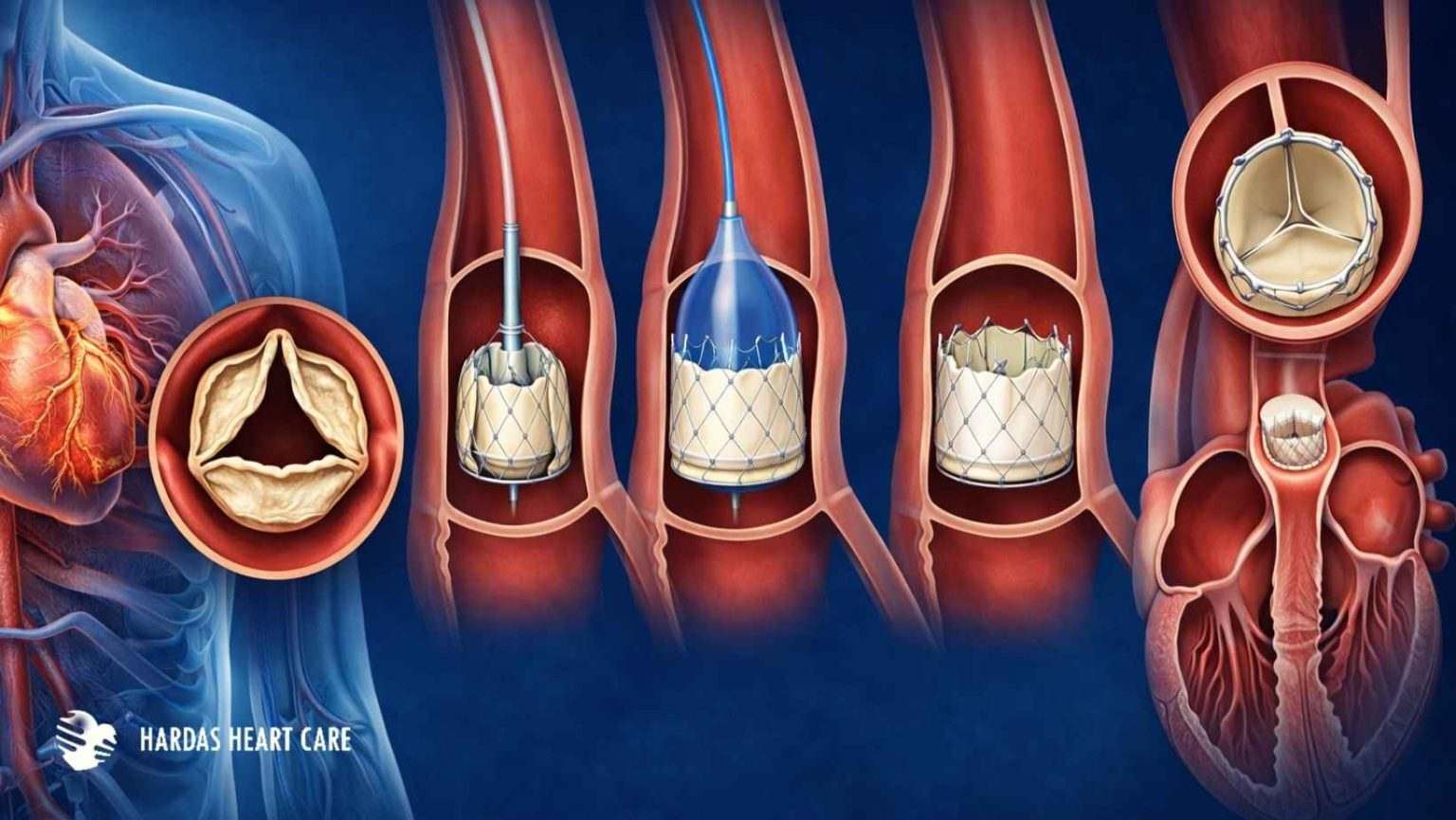
TAVI/TAVR is a minimally invasive heart procedure used to treat aortic stenosis, a condition where the aortic valve becomes narrow and restricts blood flow from the heart.
Instead of opening the chest, doctors use a thin catheter (tube) inserted through a blood vessel—usually from the groin—to reach the heart and replace the damaged valve.
How It Works:
- A catheter is inserted through an artery
- It is guided to the heart
- A new artificial valve is placed inside the old one
- The new valve immediately starts functioning
This technique avoids the need for traditional open-heart surgery, making it a preferred option for many patients.
Who Needs TAVI/TAVR?
This procedure is especially beneficial for:
- Patients with severe aortic stenosis
- Elderly individuals
- Patients at high risk for open-heart surgery
- People with other medical conditions like diabetes or lung disease
Dr. Suhas Hardas carefully evaluates each patient to determine if TAVI/TAVR is the right option.
Key Benefits of TAVI/TAVR
1. Minimally Invasive Approach
Unlike traditional surgery, there are no large incisions, which reduces trauma to the body.
2. Faster Recovery
Most patients:
- Leave the hospital within 1–2 days
- Resume normal activities much sooner
3. Less Pain & Scarring
Smaller incisions mean:
- Minimal discomfort
- Faster healing
- Better cosmetic outcomes
4. Improved Quality of Life
Patients often experience:
- Better breathing
- Increased energy
- Reduced fatigue
Are There Any risk?
Like any medical procedure, TAVI/TAVR carries some risks, though they are relatively low when performed by experienced specialists.
Possible complications include:
- Bleeding or infection
- Irregular heart rhythm (arrhythmia)
- Stroke (rare cases)
- Need for pacemaker
With expert care and proper planning, these risks can be effectively minimized.
Why Choose Dr. Suhas Hardas for TAVI/TAVR in Pune?
Expertise in Advanced Cardiac Care
Dr. Suhas Hardas is known for his experience in managing complex heart conditions and performing advanced interventional procedures.
Patient-Centric Approach
Every treatment plan is customized based on:
- Patient health condition
- Risk factors
- Lifestyle needs
Advanced Infrastructure
At Hardas Heart Care, patients benefit from:
- Modern cardiac technology
- Safe, sterile environments
- Comprehensive pre- and post-procedure care
Focus on Outcomes
The goal is not just treatment—but long-term heart health and improved quality of life.
Life After TAVI/TAVR
Recovery after TAVI/TAVR is typically smooth, but proper care is essential.
Post-Procedure Care Tips:
- Follow prescribed medications
- Attend regular follow-ups
- Maintain a heart-healthy diet
- Stay physically active (as advised)
- Monitor blood pressure and sugar levels
Most patients notice significant improvement in symptoms within weeks.
TAVI/TAVR in Pune: A Safer Future for Heart Patients
With advancements like TAVI/TAVR, heart valve treatment has become safer, quicker, and more accessible.
If you or a loved one is experiencing symptoms like:
- Shortness of breath
- Chest pain
- Fatigue
- Dizziness
…it’s important to consult a heart specialist at the earliest.
FAQs
1. Is TAVI/TAVR better than open-heart surgery?
For many high-risk or elderly patients, it is a safer and faster alternative.
2. How long does the procedure take?
Typically, it takes around 1–2 hours.
3. When can I resume normal life?
Most patients return to routine activities within a few days to weeks.
4. Is the procedure painful?
No, it is usually performed under anesthesia, and post-procedure discomfort is minimal.