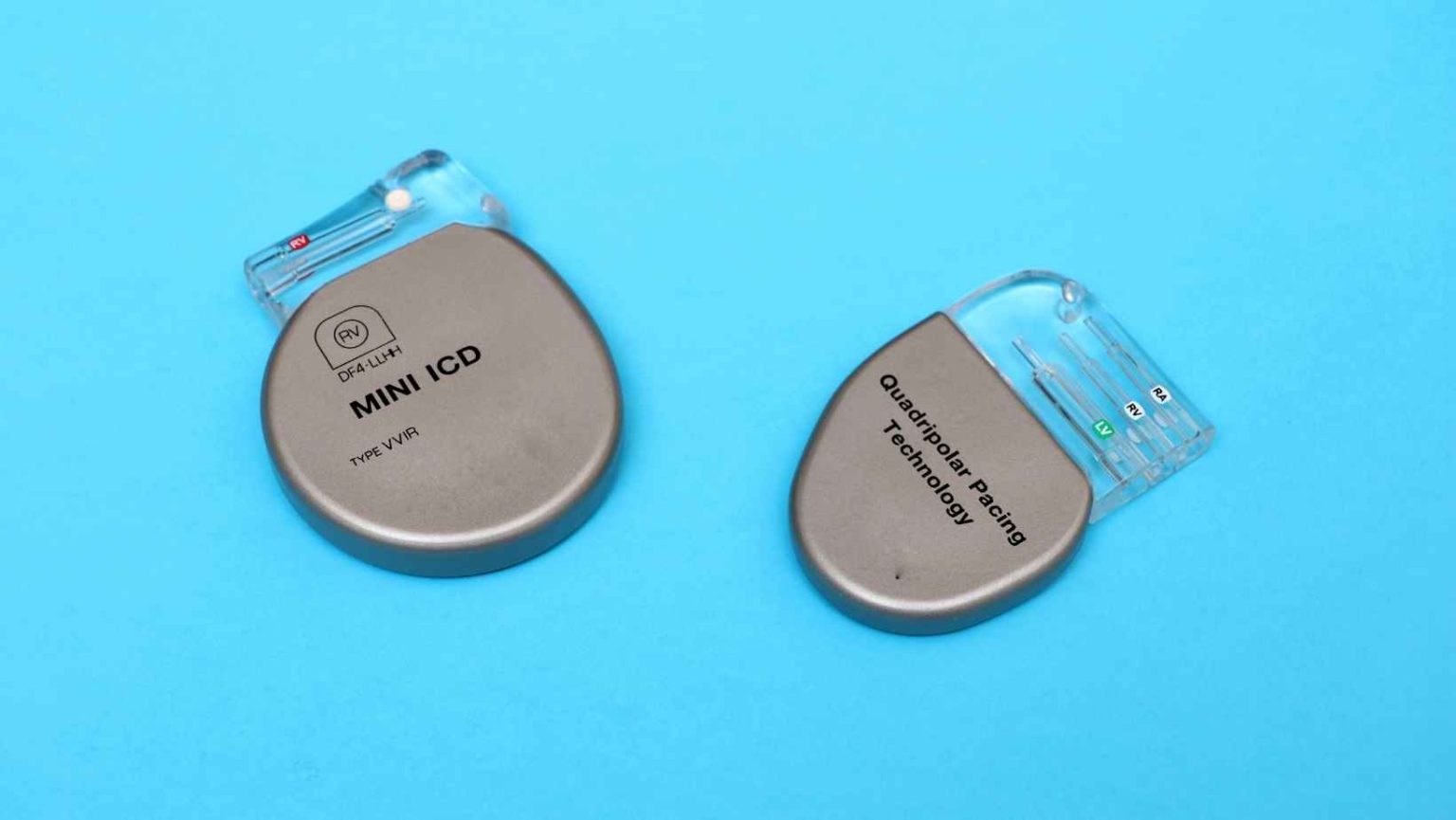
When we think about taking care of our bodies, we often focus on diet, exercise, and regular checkups. But for individuals living with advanced heart conditions like heart failure, specialized medical care becomes essential. If you or a loved one has been diagnosed with a weak heart muscle or a disrupted heartbeat, you may have heard terms like “pacemaker,” “ICD,” or “Biventricular ICD.”
While these medical terms can sound intimidating, understanding what they mean can bring immense peace of mind. Consulting the top cardiologist in Pune is the first step toward finding the right solution. Let’s break down exactly what a Biventricular ICD is, how it works in plain language, and why recent medical discoveries are making it a preferred choice for heart health.
What Does a Normal Heart Do?
To understand how a medical device helps the heart, it helps to look at how a healthy heart functions. Think of your heart as a highly organized muscular pump divided into four rooms. The two upper rooms are called atria, and the two lower rooms are called ventricles (the left ventricle and the right ventricle).
In a perfectly healthy body, a natural electrical signal travels through the heart muscle. This signal tells the rooms exactly when to squeeze and relax. Crucially, the lower two rooms—the left and right ventricles—must squeeze together at the exact same millisecond. This perfectly timed coordination ensures that freshly oxygenated blood is pumped cleanly out to your brain, lungs, and the rest of your body.
The Problem: When the Pump Loses Its Rhythm
For individuals experiencing heart failure, the heart muscle stretches, weakens, or scars over. This structural change often damages the internal electrical pathways. When these pathways are disrupted, the left and right ventricles lose their synchronization. Instead of squeezing together in perfect harmony, one side squeezes slightly later than the other.
This uncoordinated movement means the heart has to work twice as hard to pump a fraction of the blood it normally would. This inefficiency causes common symptoms of heart failure, including:
- Severe fatigue and lack of energy
- Shortness of breath, even while resting or lying down
- Swelling in the legs, ankles, or abdomen
- Inability to walk short distances without feeling exhausted
In addition to this coordination problem, a weak heart is highly vulnerable to developing dangerously fast, chaotic rhythms. If the heart suddenly begins to beat at an uncontrollable speed, it cannot pump any blood at all. This sudden electrical emergency is known as sudden cardiac arrest, and it can be fatal within minutes if left untreated.
The All-in-One Solution:What is a Biventricular ICD?
Medical technology has created a brilliant way to solve both of these dangerous problems with a single, compact device. A Biventricular ICD is often referred to by doctors as a CRT-D (which stands for Cardiac Resynchronization Therapy Defibrillator).
To help picture this device, let’s separate it into its two core functions:
1. The Resynchronization Helper (The Team Leader)
This part acts like an elite orchestra conductor. Unlike standard pacemakers that only connect to one or two areas of the heart, a biventricular device uses three thin, insulated wires called “leads.” These leads are positioned precisely in the right atrium, the right ventricle, and the left ventricle. By sending microscopic, painless electrical pulses through these three wires, the device forces both the left and right sides of the heart to contract at exactly the exact same time. This simple correction immediately restores the heart’s pumping efficiency.
2. The Defibrillator Guard (The Lifeguard)
While the device is busy coordinating your everyday heartbeats, it is also quietly acting as an internal lifeguard. It constantly monitors every single heartbeat, 24 hours a day. If it detects that your heart has suddenly entered a chaotic, dangerously rapid rhythm, it instantly springs into action. It can try to quiet the rhythm down with gentle pacing pulses. If that does not work, it delivers a precise electrical shock directly to the heart muscle. This shock resets the heart’s rhythm back to normal, preventing sudden cardiac arrest and saving the patient’s life on the spot.
New Insights from the Medical World: Age and Device Selection
Choosing the right device for a patient requires deep expertise, which is why individuals look for the top cardiologist in Pune to guide them through their treatment options. Historically, some medical practitioners hesitated to recommend advanced biventricular devices (CRT-D) for elderly patients, often opting for simpler, standard ICDs instead out of concern that the additional wiring might lead to surgical complications.However, a landmark medical study published in the prestigious Journal of the American College of Cardiology (JACC) evaluated how older heart failure patients responded to these choices. The research revealed several crucial findings that have reshaped modern heart care:
- Better Overall Survival: Eligible patients aged 75 and older who received a biventricular device (CRT-D) showed significantly better survival rates compared to those who received a standard ICD.
- Fewer Hospital Visits: For patients aged 85 and older, the biventricular device dramatically lowered the frequency of worsening heart failure episodes and subsequent hospitalizations.
- Proven Safety: The study confirmed that the risk of procedure-related complications was low across all age brackets, meaning advanced age alone should not prevent a patient from receiving this life-enhancing therapy.
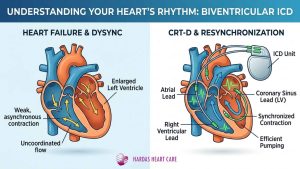
The reason for these findings is simple yet profound. A standard ICD sits quietly and only helps if a deadly emergency occurs; it does nothing to fix the daily wear-and-tear of an inefficient pump. A Biventricular ICD, however, works actively every second of the day. By keeping the heart’s chambers pumping in unison, it reduces daily strain on the heart muscle, improves quality of life, and slows down the progression of heart failure.
What to Expect During the Procedure
Learning that you need an implantable heart device can feel overwhelming, but the implantation procedure is highly routine and minimally invasive.
The device itself is incredibly thin and small—roughly the size of a pocket watch with a contoured, smooth shape designed to minimize pressure against your skin. The procedure is typically performed under local anesthesia and mild sedation, meaning you will be relaxed and pain-free throughout the process.
Your cardiologist will make a small incision just below your collarbone to create a small, comfortable pocket under the skin where the device will sit. Using advanced X-ray imaging for guidance, the doctor gently guides the three thin leads through a vein leading directly into your heart, securing them into their proper positions. Once the leads are connected to the device and tested, the incision is closed with simple stitches. Most patients are able to return home after just a short stay in the hospital.
Reclaiming Your Quality of Life
The ultimate goal of implanting a Biventricular ICD is to give you your life back. When your heart pumps efficiently, your body finally gets the oxygen-rich blood it has been starving for. Many patients notice a significant improvement in their daily lives within just a few weeks of the procedure.
You can look forward to:
- Walking further distances without feeling wiped out
- Climbing stairs with much less shortness of breath
- Enjoying deep, restful sleep without breathing difficulties
- Experiencing renewed energy to spend quality time with family
Modern biventricular devices are equipped with smart features, including extended battery lives that can last up to 11 years and wireless home monitoring systems that securely transmit data directly to your healthcare team. This allows your cardiologist to check on your heart health remotely, giving you continuous medical oversight without requiring a trip to the clinic every week.
Partner with the Best for Your Heart
Your heart is the engine of your life, and managing heart failure requires specialized, compassionate, and cutting-edge care. If you or an older family member are struggling with fatigue, breathlessness, or a newly diagnosed heart condition, exploring personalized device therapies can completely transform your long-term health outlook.
To learn more about advanced heart failure therapies and customized treatment options, schedule a consultation at Hardas Heart Care. Work alongside the top cardiologist in Pune to build a comprehensive plan that keeps your heart beating safely, efficiently, and in perfect harmony for years to come.