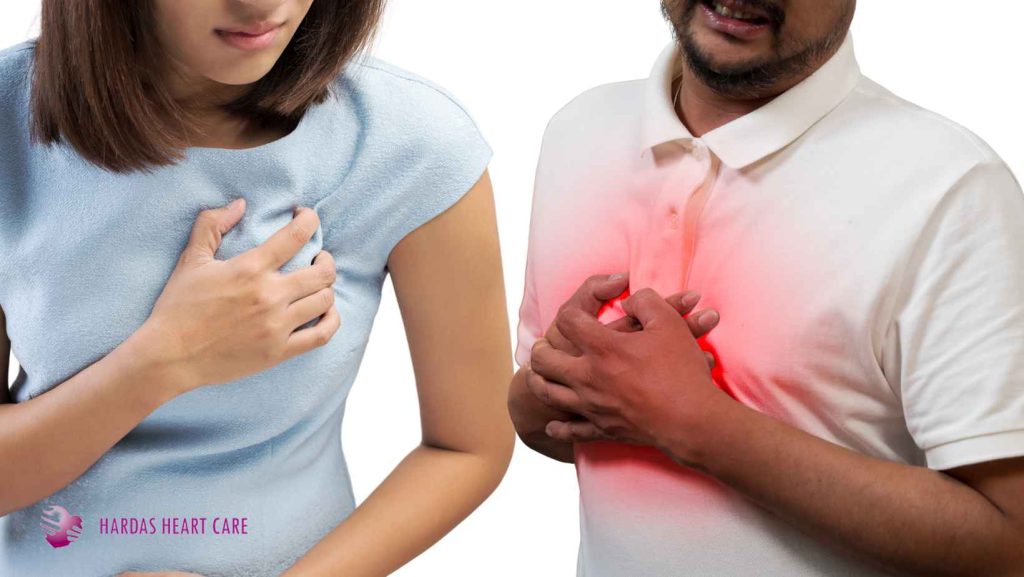
The first signs of a heart attack often include chest pain or pressure, pain spreading to the arm, jaw, neck, or back, shortness of breath, cold sweats, nausea, unusual fatigue, and dizziness. Some people experience mild symptoms, while others have no chest pain at all. Seeking emergency medical care immediately can significantly improve survival and reduce heart damage.
Imagine feeling a slight heaviness in your chest after climbing a flight of stairs. You dismiss it as acidity or muscle strain. A few hours later, the discomfort returns, this time accompanied by sweating and breathlessness.
Many people ignore these early warning signs because they seem mild or temporary. Unfortunately, this delay can be life-threatening.
As a cardiologist, one of the most common misconceptions I encounter is that a heart attack always causes sudden, severe chest pain. In reality, the symptoms can vary from person to person. Some are obvious, while others are subtle enough to be mistaken for indigestion, fatigue, or anxiety.
Recognizing these warning signs early and seeking prompt medical care can save heart muscle—and save lives.
What Happens During a Heart Attack?
A heart attack, medically known as myocardial infarction, occurs when blood flow to a part of the heart muscle is suddenly blocked, usually due to a blood clot forming over a cholesterol plaque in a coronary artery.
Without oxygen-rich blood, heart muscle begins to suffer damage within minutes. The longer the blockage remains untreated, the greater the risk of permanent heart damage.
This is why doctors often say:
“Time is muscle.”
Every minute counts.
1. Chest Pain or Pressure
The most common warning sign is discomfort in the centre or left side of the chest.
Patients often describe it as:
- Pressure
- Tightness
- Heaviness
- Squeezing
- Burning
A feeling that “something heavy is sitting on the chest”
The discomfort may:
- Last for several minutes
- Come and go
- Worsen with physical activity
- Occur even while resting
Chest pain should never be ignored, especially if it is new, persistent, or associated with other symptoms.
2. Pain That Spreads Beyond the Chest
Heart attack pain is not always limited to the chest.
It may spread to:
- Left arm
- Both arms
- Shoulder
- Neck
- Jaw
- Upper back
- Occasionally the upper abdomen
Many people report jaw or shoulder pain without realizing it originates from the heart.
3. Shortness of Breath
Difficulty breathing may occur:
- Before chest pain
- Along with chest pain
- Without any chest pain
Simple activities such as walking short distances or climbing stairs may suddenly become difficult.
Unexplained breathlessness deserves prompt medical evaluation, particularly in people with risk factors such as diabetes, high blood pressure, or a family history of heart disease.
4. Cold Sweats
Breaking into a cold sweat without obvious physical exertion is another important warning sign.
Many patients describe feeling clammy, pale, and unusually uncomfortable.
When cold sweating occurs together with chest discomfort, emergency medical attention is essential.
5. Unusual Fatigue
Fatigue is often overlooked.
Some people—especially women—experience:
- Extreme tiredness
- Lack of energy
- Feeling exhausted after routine tasks
This fatigue may begin several days before the heart attack.
6. Nausea, Vomiting, or Indigestion-Like Symptoms
A heart attack can sometimes resemble severe acidity.
People may experience:
- Nausea
- Vomiting
- Stomach discomfort
- Burning sensation in the upper abdomen
If these symptoms occur together with chest discomfort, breathlessness, or sweating, they should never be assumed to be simple indigestion.
7. Dizziness or Fainting
Reduced blood flow from the heart may lead to:
- Lightheadedness
- Dizziness
- Feeling faint
- Loss of consciousness in severe cases
These symptoms require immediate medical attention.
Are Heart Attack Symptoms Different in Women?
Yes.
Women may experience less obvious symptoms, such as:
- Fatigue
- Breathlessness
- Nausea
- Back pain
- Jaw pain
- Indigestion
- Neck discomfort
Because these symptoms can be subtle, women sometimes delay seeking medical care.
Any new, unexplained combination of these symptoms should be evaluated promptly.
Can You Have a Heart Attack Without Chest Pain?
Yes.
This is known as a silent heart attack.
Silent heart attacks are more common in:
- People with diabetes
- Older adults
- Women
Instead of chest pain, they may experience:
- Fatigue
- Sweating
- Breathlessness
- Mild discomfort
- Dizziness
Because symptoms are less obvious, silent heart attacks are often diagnosed later, increasing the risk of complications.
Who Is at Higher Risk?
Your risk is higher if you have:
- Diabetes
- High blood pressure
- High cholesterol
- Smoking or tobacco use
- Obesity
- Family history of early heart disease
- Chronic stress
- Physical inactivity
- Kidney disease
Even young adults can develop heart disease, particularly if multiple risk factors are present.
What Should You Do If You Think You’re Having a Heart Attack?
Do not ignore the symptoms.
Do not wait to see if they improve.
Instead:
- Call your local emergency medical services immediately.
- Avoid driving yourself to the hospital if possible.
- Stay calm and sit or lie down while waiting for help.
- If previously advised by your doctor and appropriate for your situation, follow their emergency medication instructions.
Prompt treatment greatly improves outcomes.
A Cardiologist’s Perspective
One of the most preventable mistakes I see is delayed treatment.
Many patients initially attribute their symptoms to acidity, muscle pain, or tiredness. Unfortunately, every hour of delay increases the risk of permanent damage to the heart muscle.
Recognizing the warning signs and seeking immediate medical attention offers the best chance of preserving heart function and improving recovery.
Frequently Asked Questions
What is usually the first sign of a heart attack?
Chest discomfort or pressure is the most common first symptom, although some people experience breathlessness, unusual fatigue, or pain in the jaw or arm before chest pain develops.
How long do heart attack symptoms last?
Symptoms may last for several minutes or come and go. Persistent or recurring symptoms should always be treated as a medical emergency.
Can heart attack symptoms come and go?
Yes. Some people experience intermittent chest discomfort before a heart attack becomes more severe. This should never be ignored.
Is every chest pain a heart attack?
No. Chest pain can have many causes, including acid reflux, muscle strain, and lung conditions. However, new or unexplained chest pain—especially when accompanied by sweating, breathlessness, nausea, or pain spreading to the arm or jaw—requires urgent medical evaluation.
Can young people have heart attacks?
Yes. Although less common than in older adults, heart attacks can occur in younger adults due to genetic factors, smoking, diabetes, high cholesterol, or other cardiovascular risk factors.
Key Takeaways
- Chest pain is the most common symptom of a heart attack, but it is not the only one.
- Breathlessness, sweating, jaw pain, arm pain, nausea, and unusual fatigue may all be warning signs.
- Women, older adults, and people with diabetes may have atypical or silent symptoms.
- Early medical treatment significantly improves survival and reduces long-term heart damage.
- Never ignore persistent or unexplained symptoms—seeking prompt care can save your life.
Conclusion
Heart attacks do not always begin dramatically. Sometimes, the earliest warning signs are subtle enough to be mistaken for everyday problems like acidity or fatigue. Paying attention to these symptoms and acting quickly can make a critical difference.
If you experience chest discomfort, unexplained breathlessness, or any combination of the symptoms discussed above, seek immediate medical attention. Early diagnosis and timely treatment remain the most effective ways to protect your heart and your future.