Healthy, Fit, and Young… So Why Are More Indians Having Heart Attacks?
A 32-year-old software engineer collapses while playing cricket. A 38-year-old marathon runner suffers a heart attack despite exercising regularly. A 29-year-old gym enthusiast experiences severe chest pain after a workout.
Stories like these have become increasingly common across India, leaving many people asking the same question:
“How can someone who looks perfectly healthy suffer a heart attack?”
As a cardiologist, this is one of the most common concerns I hear from patients and their families.
The reality is that being young or appearing physically fit does not always mean your heart is healthy. Heart attacks in younger adults are becoming more frequent due to a combination of genetics, lifestyle changes, stress, and underlying medical conditions that often go unnoticed.
Understanding these risks can help you take action before a life-threatening event occurs.
Quick Answer
Yes, healthy young Indians can have heart attacks.
The most common reasons include:
- Family history of heart disease
- High cholesterol
- Diabetes or prediabetes
- High blood pressure
- Smoking or vaping
- Chronic stress
- Poor sleep
- Obesity
- Sedentary lifestyle
- Undiagnosed coronary artery disease
Many people have no warning signs until the first heart attack.
Why Are Heart Attacks Increasing Among Young Indians?
India has one of the highest burdens of cardiovascular disease worldwide. One important reason is that Indians tend to develop heart disease nearly a decade earlier than many Western populations.
Several factors contribute to this increased risk.
1. Genetics Play a Bigger Role Than You Think
If your parents or siblings developed heart disease at an early age, your own risk is significantly higher. Many young patients I see have no obvious symptoms, but they have a strong family history of premature heart disease. This is why regular preventive heart check-ups become essential—even if you feel completely healthy.
2. Stress Is Quietly Damaging the Heart
- Long working hours.
- Financial pressure.
- Lack of work-life balance.
- Poor sleep.
These have become part of modern life.
Chronic stress increases hormones such as adrenaline and cortisol, which can:
- Raise blood pressure
- Increase heart rate
- Promote inflammation
- Damage blood vessels over time
Stress alone may not directly cause a heart attack, but it significantly increases the risk when combined with other factors.
3. Sitting for Long Hours
Many professionals spend 8–12 hours a day sitting. Even people who go to the gym for an hour may still spend most of their day inactive.
Prolonged sitting is associated with:
- Weight gain
- Diabetes
- Poor circulation
- Increased cardiovascular risk
The solution isn’t just exercising—it is moving throughout the day.
4. Hidden Cholesterol Problems
Many young adults never check their cholesterol because they assume they’re too young. However, high LDL (“bad”) cholesterol can silently build plaque inside the arteries for years before symptoms appear.
Sometimes, the first sign is a heart attack.
5. Diabetes Is Affecting Younger Adults
India is often called the diabetes capital of the world.
Unfortunately, diabetes is now being diagnosed in people in their 20s and 30s.
High blood sugar damages blood vessels gradually, increasing the risk of blocked arteries even in young individuals.
6. Smoking, Vaping, and Tobacco
Many people believe vaping is a safer alternative.
It isn’t.
Both smoking and vaping damage blood vessels, increase clot formation, and significantly raise the risk of heart attacks.
Even occasional smoking can be harmful.
7. Poor Sleep
Sleeping less than six hours regularly has been linked to:
- High blood pressure
- Obesity
- Diabetes
- Increased inflammation
- Higher cardiovascular risk
Good sleep is one of the most underrated pillars of heart health.
Can Fit People Have Heart Attacks?
Absolutely.
Being slim, athletic, or going to the gym does not guarantee healthy arteries.
Some people:
- Have inherited cholesterol disorders
- Ignore early symptoms
- Exercise intensely despite underlying heart disease
- Develop plaque despite appearing healthy
Fitness should never replace regular health screening.
Symptoms Young Adults Should Never Ignore
Heart attack symptoms are not always dramatic.
Watch for:
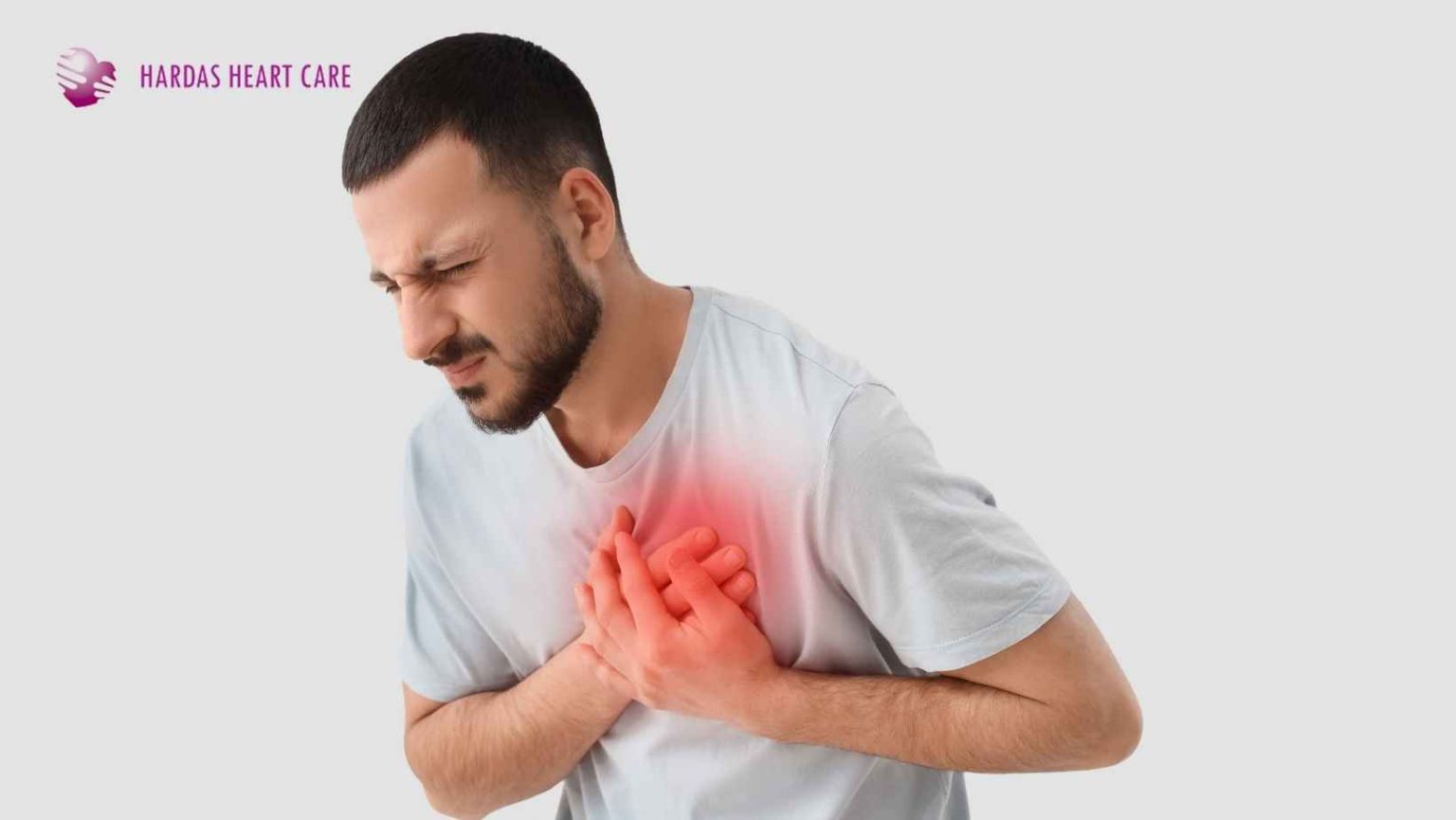
- Chest pain or pressure
- Pain spreading to the jaw, shoulder, arm, or back
- Breathlessness
- Excessive sweating
- Sudden fatigue
- Nausea
- Dizziness
In some people—especially those with diabetes—symptoms may be mild or unusual.
Never ignore persistent or unexplained chest discomfort.
Can Stress Alone Cause a Heart Attack?
Stress is rarely the only cause.
However, severe emotional or physical stress can trigger a heart attack in someone who already has narrowed coronary arteries.
Think of stress as the spark—not necessarily the fuel.
How Can Young Adults Reduce Their Risk?
Protecting your heart starts long before symptoms appear.
Here are some simple but powerful steps:
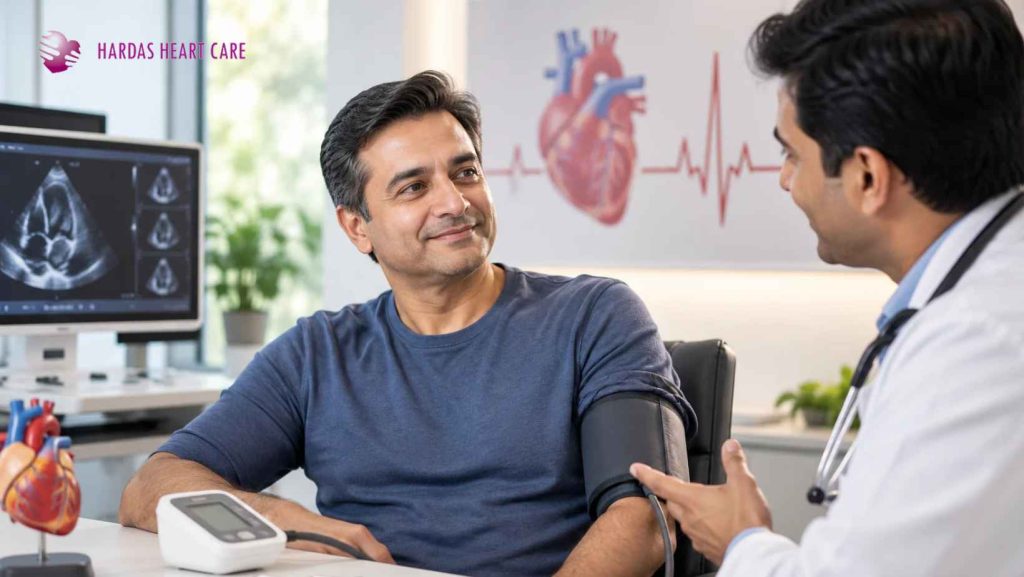
- Get regular heart check-ups if you have a family history.
- Know your blood pressure, cholesterol, and blood sugar levels.
- Exercise for at least 150 minutes every week.
- Avoid smoking and tobacco in all forms.
- Maintain a healthy weight.
- Sleep 7–8 hours every night.
- Manage stress through meditation, yoga, hobbies, or counseling.
- Eat a balanced diet rich in fruits, vegetables, whole grains, and healthy fats.
Small lifestyle changes made consistently can significantly reduce long-term risk.
When Should You See a Cardiologist?
Consult a heart specialist if you:
- Experience chest pain, even if it comes and goes.
- Become breathless during routine activities.
- Have a family history of early heart disease.
- Have diabetes, hypertension, or high cholesterol.
- Notice palpitations or unexplained dizziness.
- Are planning intense physical training after the age of 30.
Early evaluation can identify problems before they become emergencies.
A Cardiologist’s Perspective
One of the biggest misconceptions I encounter is:
“I’m only 35. Heart disease happens to older people.”
Unfortunately, that is no longer true.
Over the years, I have treated many young patients who had few or no obvious symptoms before experiencing a serious cardiac event. In many cases, timely diagnosis and early intervention made all the difference.
The goal is not to create fear—it is to encourage awareness. A preventive heart check-up today may help avoid a major cardiac emergency tomorrow.
Frequently Asked Questions
Can a 30-year-old have a heart attack?
Yes. Although less common than in older adults, heart attacks can occur in people in their 20s and 30s, especially if they have risk factors such as smoking, diabetes, high cholesterol, or a family history of heart disease.
Can gym workouts trigger a heart attack?
Exercise itself is beneficial. However, very intense workouts may trigger a heart attack in someone with undiagnosed heart disease. If you have risk factors or symptoms, consult a cardiologist before beginning vigorous exercise.
Is chest pain always a heart attack?
No. Chest pain can have many causes, including acidity, muscle strain, or lung conditions. However, any persistent or unexplained chest pain should be evaluated promptly.
How often should young adults get a heart check-up?
Adults with no major risk factors should discuss routine screening with their doctor. Those with diabetes, high blood pressure, high cholesterol, smoking history, or a family history of early heart disease may need earlier and more regular evaluations.
Final Thoughts
Heart disease is no longer limited to older adults. Today’s lifestyle, combined with genetic and metabolic risk factors, means that younger individuals also need to prioritize heart health.
The encouraging news is that many heart attacks are preventable. Recognizing risk factors early, adopting healthier habits, and seeking timely medical advice can make a significant difference.
If you have symptoms, a strong family history, or concerns about your heart health, don’t wait for an emergency. Early consultation with a cardiologist can help detect problems early and guide you toward the right preventive care.