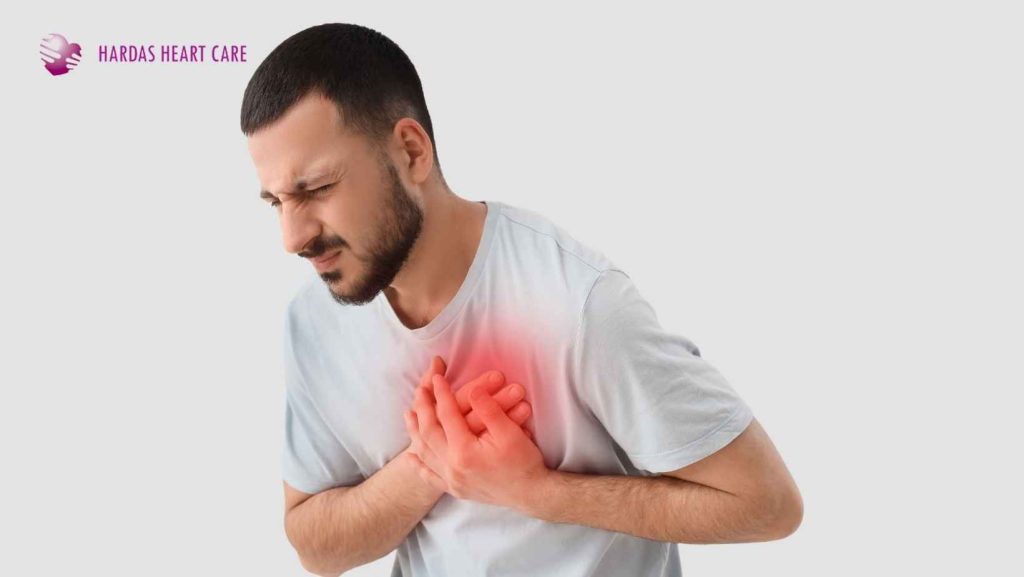
Chest pain caused by acidity usually produces a burning sensation related to meals and often improves with antacids. A heart attack typically causes pressure, heaviness, or tightness in the chest and may be accompanied by pain in the arm, jaw, neck, sweating, breathlessness, or nausea. Some people, especially those with diabetes, older adults, and women, may experience a silent heart attack with little or no chest pain. Any unexplained chest discomfort should be evaluated immediately by a medical professional.
“It’s Probably Just Acidity…”
These are perhaps the most dangerous words a cardiologist hears.
Almost every week, we meet patients who delayed seeking medical care because they assumed their chest discomfort was due to gas, acidity, indigestion, or muscle pain. In several cases, they had already suffered a heart attack before reaching the hospital.
Not every episode of chest pain is a heart attack—but every unexplained chest pain deserves attention until proven otherwise.
Knowing the difference between acidity and a heart attack can help you make timely decisions that may save your life.
Why Can Acidity and a Heart Attack Feel Similar?
Both conditions can produce discomfort in the chest or upper abdomen because the heart, food pipe (esophagus), and stomach share nearby nerve pathways. As a result, the brain may interpret pain from these organs in a similar way.
This overlap is one reason why self-diagnosis can be risky.
Heart Attack vs Acidity: How Do They Differ?
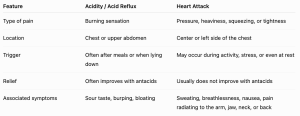
While this comparison can be helpful, it should never replace medical evaluation. Symptoms can overlap, and a heart attack may not always follow the typical pattern.
When Chest Pain Is More Likely to Be a Heart Attack
Seek emergency medical care immediately if chest discomfort is accompanied by:
- Pain spreading to the left or both arms
- Pain in the jaw, neck, shoulder, or upper back
- Shortness of breath
- Cold sweats
- Nausea or vomiting
- Dizziness or fainting
- Sudden unexplained fatigue
These symptoms require urgent assessment—even if you think it might be acidity.
What Is a Silent Heart Attack?
A silent heart attack is a heart attack that occurs with very mild, unusual, or even unnoticed symptoms.
The heart muscle still suffers damage because blood flow is reduced or blocked, but the symptoms may not resemble the classic picture of a heart attack.
Some people discover they had a silent heart attack only during a later ECG, echocardiogram, or other cardiac evaluation.
Who Is More Likely to Have a Silent Heart Attack?
Silent heart attacks are more common in:
- People with diabetes
- Older adults
- Women
- Individuals with chronic kidney disease
- People with longstanding high blood pressure
These groups may experience reduced pain perception or atypical symptoms, making recognition more difficult.
Symptoms of a Silent Heart Attack
Instead of severe chest pain, a silent heart attack may present with:
- Mild chest discomfort or pressure
- Unusual tiredness lasting hours or days
- Breathlessness during routine activities
- Indigestion-like discomfort
- Pain in the back, neck, jaw, or shoulders
- Nausea
- Lightheadedness
- Excessive sweating without obvious reason
Because these symptoms can be subtle, many people ignore them or attribute them to stress, acidity, or aging.
Can Acidity Trigger a Heart Attack?
No. Acidity itself does not cause a heart attack.
However, because acidity and heart attacks can produce similar symptoms, assuming that chest pain is “just acidity” can delay life-saving treatment.
If there is any uncertainty, it is always safer to rule out a heart problem first.
A Cardiologist’s Perspective
One of the most common mistakes I see is patients trying home remedies or waiting for symptoms to pass.
While acidity often improves with dietary changes or medication, a heart attack requires immediate medical attention. Every hour of delay increases the risk of irreversible damage to the heart muscle.
It is far better to undergo an evaluation and discover that the pain was due to acidity than to ignore a heart attack until it becomes life-threatening.
What Should You Do If You Are Unsure?
If your symptoms are:
- New
- Severe
- Persistent
- Recurrent
- Associated with sweating, breathlessness, nausea, dizziness, or pain spreading to the arm or jaw
do not attempt to diagnose yourself.
Seek emergency medical care immediately.
Prompt evaluation with an ECG, blood tests, and clinical assessment can determine whether the symptoms are cardiac or non-cardiac.
Can Young Adults Experience Silent Heart Attacks?
Yes.
Although heart attacks are more common with increasing age, younger adults can also experience them—especially if they have:
- A family history of early heart disease
- Diabetes
- High cholesterol
- Smoking or vaping habits
- Obesity
- Chronic stress
- High blood pressure
This is why unexplained chest discomfort should never be dismissed based on age alone.
Frequently Asked Questions
Can acidity feel exactly like a heart attack?
Acid reflux can cause chest discomfort that resembles a heart attack. Because symptoms may overlap, persistent or severe chest pain should always be evaluated by a healthcare professional.
Can a heart attack happen without chest pain?
Yes. Silent heart attacks may occur with little or no chest pain, especially in women, older adults, and people with diabetes.
Does chest pain that improves with antacids always mean acidity?
Not necessarily. Improvement with antacids does not completely rule out a heart problem. If symptoms recur or are accompanied by other warning signs, medical evaluation is essential.
How is a silent heart attack diagnosed?
Doctors may diagnose a silent heart attack using an ECG, cardiac enzyme blood tests, echocardiography, or other imaging studies, often after evaluating symptoms or incidental findings.
When should I visit a cardiologist?
You should consult a cardiologist if you experience unexplained chest discomfort, breathlessness, recurrent palpitations, or if you have significant cardiovascular risk factors such as diabetes, high blood pressure, high cholesterol, or a strong family history of heart disease.
Key Takeaways
Chest pain should never be ignored without proper medical evaluation.
Acidity and heart attacks can produce similar symptoms, but heart attacks often involve pressure, sweating, breathlessness, or pain radiating to the arm or jaw.
Silent heart attacks may occur with mild or atypical symptoms, making them harder to recognize.
Women, people with diabetes, and older adults are more likely to experience silent heart attacks.
When in doubt, seek emergency medical care rather than attempting to self-diagnose.
Final Thoughts
The difference between acidity and a heart attack is not always obvious. While acidity is common and usually manageable, a heart attack is a medical emergency where every minute matters.
The safest approach is simple: never ignore unexplained chest discomfort, especially when it is accompanied by other warning signs. Early evaluation can protect your heart, prevent complications, and, in many cases, save your life.