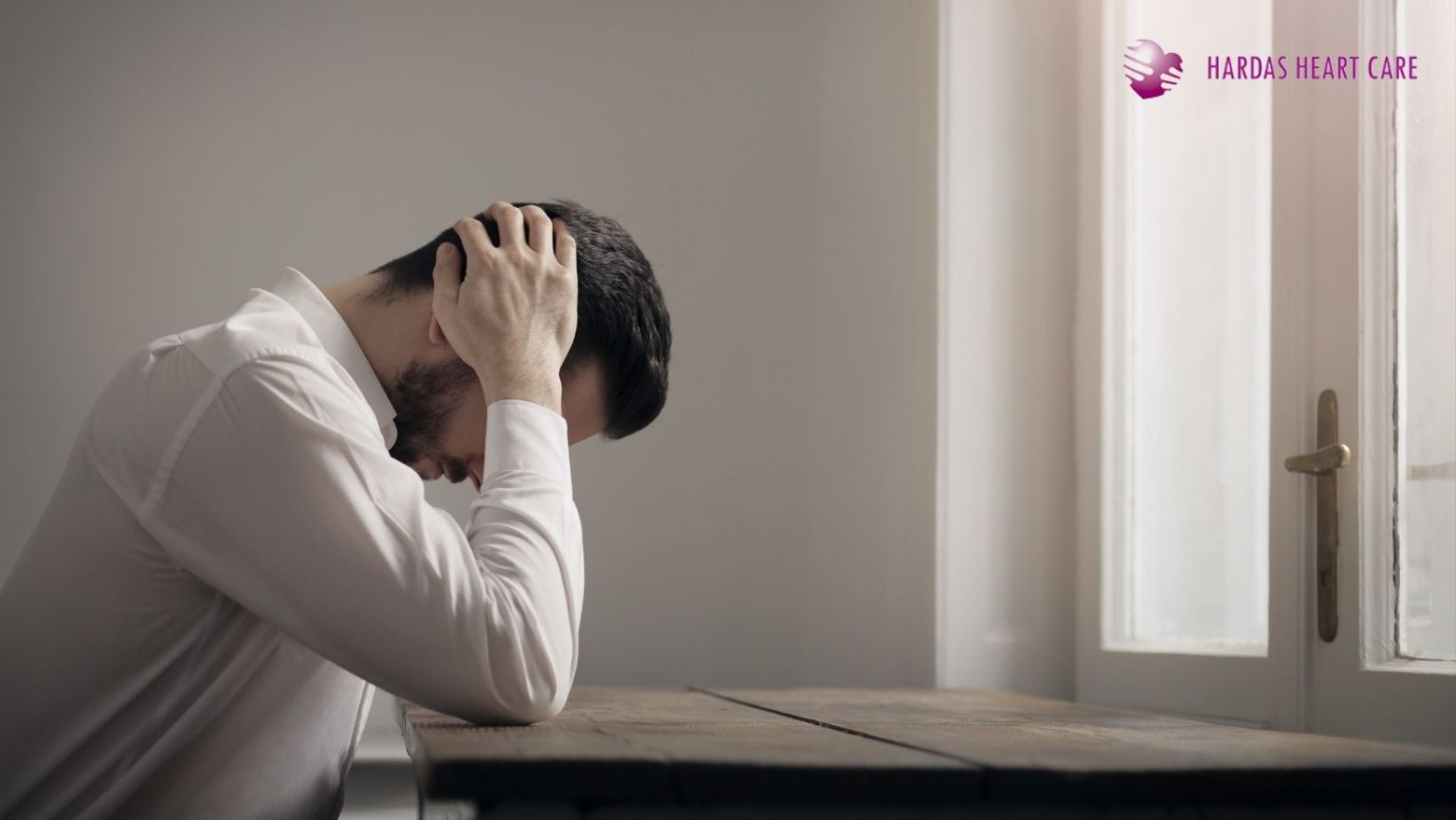
In my daily practice as a cardiologist, I often meet patients who are surprised to learn that stress—something they consider “normal”—can significantly impact their heart health. We tend to associate heart disease with cholesterol, blood pressure, or diabetes. But one factor quietly working in the background is stress. It does not always show up in reports, yet its effects can be profound and long-lasting.
Let me help you understand this better—simply and clearly—so you can take control before it’s too late.
What Happens Inside Your Body During Stress?
Whenever you feel stressed—whether due to work, family, or emotional situations—your body activates what we call the “fight or flight” response.
This leads to the release of stress hormones like adrenaline and cortisol. These hormones are useful in short bursts, helping you respond to immediate challenges. But when stress becomes constant, these same hormones begin to harm your body.
You may not notice it immediately, but internally:
- Your heart rate increases
- Your blood pressure rises
- Your blood vessels tighten
Over time, this creates strain on your heart.
The Direct Impact of Stress on the Heart
Stress affects your heart in ways that are both immediate and long-term.
1. Increased Blood Pressure and Heart Rate
Emotional stress causes a rise in heart rate and blood pressure. If this happens repeatedly, it damages the arteries and increases the risk of heart disease.
2. Reduced Blood Flow to the Heart
Severe stress can reduce blood supply to the heart muscle, leading to chest discomfort or even heart complications.
3. Plaque Build-Up in Arteries
Stress contributes to the formation of plaque in the arteries, which can block blood flow and lead to a heart attack.
4. Higher Risk of Heart Attack and Stroke
Chronic stress increases multiple risk factors—like high blood pressure, cholesterol, and blood sugar—all of which are linked to heart disease and stroke.
The Hidden Danger: “Broken Heart Syndrome”
One of the most striking examples of stress affecting the heart is a condition called stress-induced cardiomyopathy, commonly known as “broken heart syndrome.”
This condition can occur after intense emotional stress—such as grief, shock, or anger. It mimics a heart attack, with symptoms like:
- Chest pain
- Shortness of breath
- Irregular heartbeat
In this condition, the heart temporarily weakens but usually recovers with treatment.
However, it serves as a powerful reminder: emotional stress can physically affect your heart.
Indirect Effects: How Stress Changes Your Lifestyle
Stress does not just affect your heart directly—it also influences your habits.
Many patients unknowingly adopt unhealthy coping mechanisms such as:
- Overeating or unhealthy diet
- Smoking or alcohol consumption
- Lack of exercise
- Poor sleep
These behaviors further increase the risk of heart disease.
In fact, long-term stress keeps your body in a constant “high alert” state, which gradually wears it down.
Who Is More at Risk?
While stress affects everyone, certain individuals are more vulnerable:
- People with high blood pressure, diabetes, or high cholesterol
- Individuals with demanding jobs or long working hours
- Those experiencing emotional distress or depression
- People with a family history of heart disease
In such individuals, It can accelerate existing heart problems.
Warning Signs You Should Not Ignore
Stress-related heart problems often go unnoticed until they become serious.
Watch out for:
- Chest discomfort or tightness
- Shortness of breath
- Constant fatigue
- Palpitations
- Sleep disturbances
If you experience these symptoms, do not ignore them. Early evaluation can prevent major complications.
How to Protect Your Heart from Stress
The good news is that stress is manageable—and so is its impact on your heart.
Here are practical steps I recommend to my patients:
1. Recognize Your Stress Triggers
Understanding what causes your stress is the first step toward controlling it.
2. Stay Physically Active
Regular exercise helps lower stress hormones and improves heart health.
3. Practice Relaxation Techniques
Simple methods like deep breathing, meditation, or yoga can calm your mind and body.
4. Improve Sleep Quality
Aim for 7–8 hours of sleep daily. Poor sleep increases stress and heart risk.
5. Maintain a Healthy Lifestyle
Eat a balanced diet, avoid smoking, and limit alcohol intake.
6. Seek Help When Needed
If stress feels overwhelming, consult a doctor. It may also be linked to anxiety or depression, which need proper care.
The Importance of Regular Heart Check-Ups
One of the biggest mistakes people make is ignoring routine health screening.
Stress often worsens silent conditions like:
- High blood pressure
- High cholesterol
- Diabetes
Regular check-ups help detect these early and allow timely treatment.
My Advice to You
As a cardiologist, I want you to understand one simple truth:
Stress is not just in your mind—it affects your heart.
You may not always be able to eliminate stress from your life. But you can certainly learn to manage it better.
Your heart works for you every second. Taking care of it is not optional—it is essential.
Start small:
- Take a break
- Go for a walk
- Talk to someone
- Prioritize your health
Because in the long run, it is not just about living longer—it is about living healthier.