Chest pain, breathlessness, or an abnormal stress test often raises one important question—is there a blockage in the heart that actually needs treatment? While coronary angiography can show narrowed arteries, it cannot always determine whether the blockage is significantly reducing blood flow.
This is where the FFR test becomes extremely valuable.
If you’re searching for the top cardiologist in Pune, understanding the FFR full form in medical, its purpose, procedure, and benefits can help you make informed decisions about your heart health.
In this guide, we’ll explain everything about Fractional Flow Reserve (FFR), how the test works, who needs it, and why it has become one of the most trusted methods for evaluating coronary artery disease.
Quick Answer Box
What is the FFR Full Form in Medical?
FFR stands for Fractional Flow Reserve.
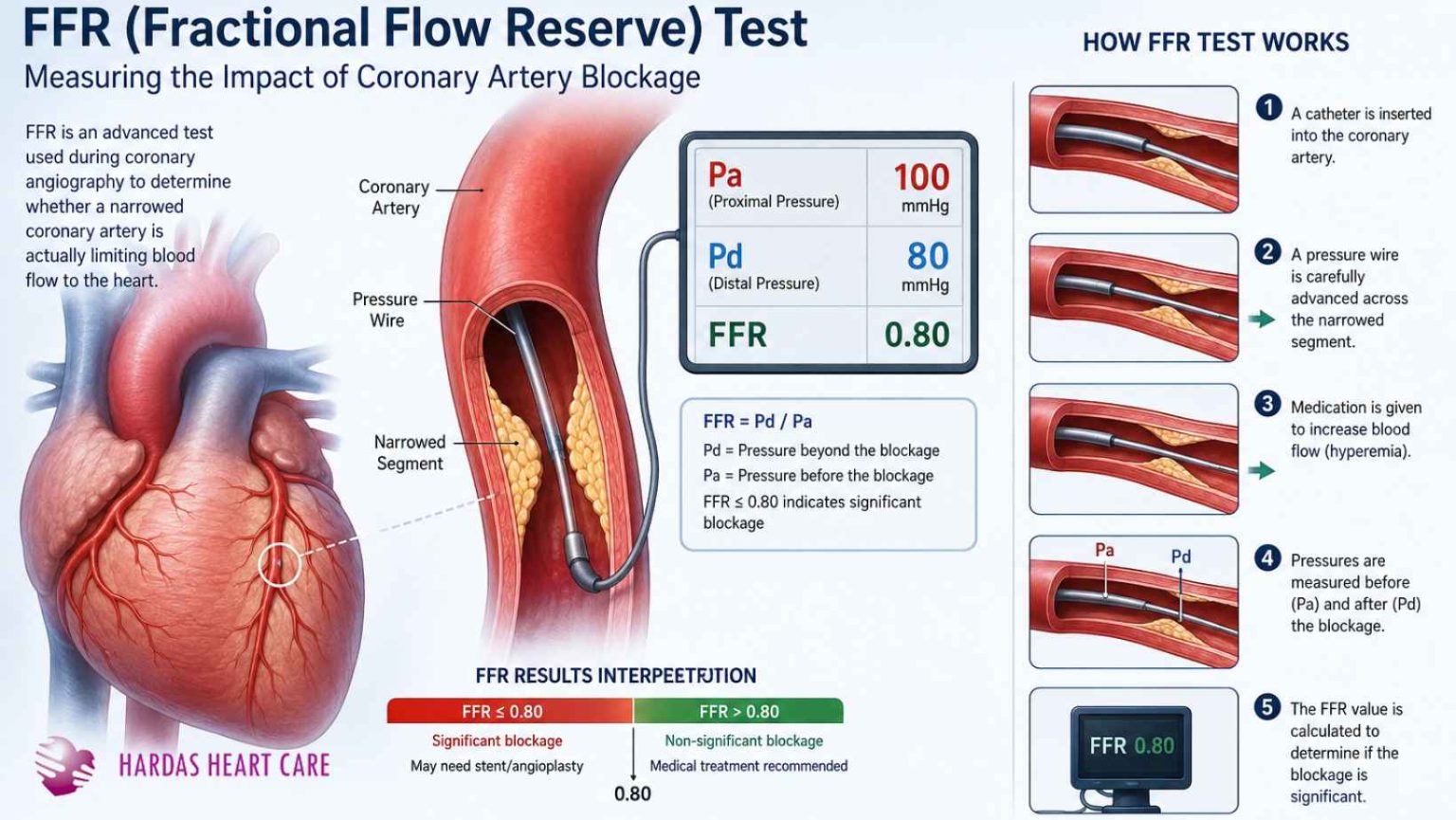
It is an advanced diagnostic test performed during coronary angiography to measure how much a narrowed coronary artery restricts blood flow to the heart muscle. The results help cardiologists decide whether a patient requires angioplasty, stenting, or can be treated safely with medications alone.
What is FFR in Medical?
Fractional Flow Reserve (FFR) is a specialized cardiac diagnostic measurement used to determine whether a coronary artery blockage is reducing blood supply to the heart muscle.
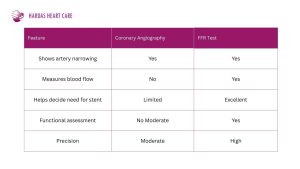
Unlike angiography, which simply shows how narrowed an artery appears, FFR tells your cardiologist whether that narrowing is actually affecting heart function.
This allows doctors to make more accurate treatment decisions and avoid unnecessary procedures.
Expert Insight
Modern cardiology focuses on treating functionally significant blockages, not just those that appear narrow on imaging. FFR helps achieve that goal.
Why is an F2 Test Performed?
An FFR test helps determine whether a blockage is responsible for symptoms such as:
- Chest pain
- Angina
- Shortness of breath
- Reduced exercise tolerance
- Abnormal stress test
- Suspected coronary artery disease
It is particularly useful when angiography reveals a blockage of 40% to 90%, where the need for stenting is uncertain.
How Does an FFR Test Work?
During coronary angiography, a thin pressure-sensitive guidewire is carefully passed across the narrowed artery.
A medication is then administered to temporarily increase blood flow.
The guidewire measures pressure before and after the blockage.
The pressure ratio is called the Fractional Flow Reserve (FFR).
Understanding FFR Values
FFR Value Interpretation
Above 0.80 – Blood flow is generally adequate
0.80 or below – Blockage is likely affecting blood flow and may require intervention
These values help cardiologists decide whether angioplasty or medication is the better treatment option.
FFR Test Procedure: Step-by-Step
Before the Procedure
Your cardiologist may advise:
Fasting for several hours
Reviewing current medications
Blood investigations if needed
Kidney function assessment if contrast dye is used
During the Procedure
The procedure usually takes around 30–60 minutes.
Steps include:
- Local anesthesia is given.
- A catheter is inserted through the wrist or groin.
- Coronary angiography is performed.
- A pressure wire crosses the narrowed artery.
- Medication is administered to maximize blood flow.
- Pressure readings are recorded.
- The cardiologist interprets the results immediately.
After the Procedure
Most patients recover quickly.
Depending on the findings:
- Medical management may continue.
- Angioplasty with stenting may be recommended.
- In some cases, bypass surgery may be considered.
Who Should Consider an FFR Test?
Your cardiologist may recommend an FFR test if you have:
- Persistent chest pain
- Borderline coronary artery blockage
- Stable coronary artery disease
- Abnormal stress test
- Diabetes with suspected heart disease
- Multiple coronary blockages
- Previous heart attack requiring further evaluation
Benefits of an FFR Test
FFR has transformed decision-making in interventional cardiology.
Major benefits include:
More Accurate Diagnosis
It measures the actual impact of a blockage rather than relying only on its appearance.
Avoids Unnecessary Stents
Many patients can safely avoid angioplasty if blood flow remains adequate.
Better Long-Term Outcomes
Studies have shown that FFR-guided treatment can improve patient outcomes by ensuring interventions are performed only when truly necessary.
Personalized Treatment
Every patient receives treatment tailored to their individual heart condition.
Cost-Effective Care
Avoiding unnecessary procedures can reduce treatment costs while maintaining high-quality care.
FFR vs Coronary Angiography
Is an FFR Test Safe?
Yes.
FFR is considered a safe procedure when performed by an experienced interventional cardiologist.
Complications are uncommon but may include:
- Temporary chest discomfort
- Minor bleeding
- Contrast allergy
- Rare heart rhythm disturbances
Your doctor will discuss individual risks before the procedure.
When Should You Consult a Heart Specialist?
Seek immediate medical evaluation if you experience:
- Chest pain
- Pain radiating to the jaw or arm
- Breathlessness
- Sudden fatigue
- Fainting
- Palpitations
Early diagnosis significantly improves treatment outcomes.
If you’re looking for a heart specialist in Pune or a trusted heart specialist hospital Pune, timely consultation can help prevent complications associated with coronary artery disease.
Why Choose Dr. Suhas Hardas?
Choosing the right cardiologist is just as important as choosing the right diagnostic test.
Dr. Suhas Hardas is committed to evidence-based cardiac care, offering advanced diagnostic evaluations and personalized treatment plans for patients with coronary artery disease and other heart conditions.
Learn more about Dr. Suhas Hardas and his experience here:
Know Your Doctor
Heart Health Checklist
- Know your blood pressure
- Check cholesterol regularly
- Control diabetes
- Exercise at least 150 minutes weekly
- Eat a heart-healthy diet
- Avoid tobacco
- Maintain healthy weight
- Take prescribed medicines regularly
- Never ignore chest pain
- Get regular cardiac check-ups after age 40
Common Mistakes Patients Make
- Ignoring early symptoms
- Delaying consultation
- Self-medicating for chest pain
- Assuming all blockages require stents
- Skipping follow-up appointments
- Stopping heart medications without medical advice
Expert Tips
- Don’t judge a blockage only by its percentage.
- Functional assessment is often more important.
- Lifestyle modification remains essential even after treatment.
- Regular follow-ups improve long-term heart health.
- Discuss all available diagnostic options with your cardiologist.
Future of FFR
Cardiology continues to evolve with:
- Wire-free physiological assessment
- Artificial intelligence-assisted imaging
- Improved catheter technologies
- Better integration with coronary CT imaging
- Personalized treatment planning
These advances are helping cardiologists diagnose heart disease with even greater precision.
Conclusion
Understanding the FFR full form in medical empowers patients to make informed decisions about heart care. Fractional Flow Reserve is one of the most reliable methods for determining whether a coronary blockage truly requires treatment.
Instead of relying only on the appearance of narrowed arteries, FFR measures their real impact on blood flow, leading to more accurate diagnoses and better treatment outcomes.
If you or a loved one has chest pain, suspected coronary artery disease, or has been advised to undergo angiography, consulting a top cardiologist in Pune can help ensure you receive the most appropriate evaluation and treatment.
Frequently Asked Questions
1. What is the full form of FFR in medical?
FFR stands for Fractional Flow Reserve, a diagnostic test used to measure blood flow through narrowed coronary arteries.
2. Is an FFR test painful?
Most patients experience only mild discomfort similar to coronary angiography.
3. How long does an FFR test take?
Typically between 30 and 60 minutes.
4. Is hospitalization required?
Many patients are discharged the same day or within 24 hours, depending on their condition.
5. Can FFR prevent unnecessary angioplasty?
Yes. FFR helps determine whether a blockage actually requires stenting.
6. Is FFR more accurate than angiography?
FFR provides functional information that angiography alone cannot, making treatment decisions more precise.
7. Who should undergo an FFR test?
Patients with intermediate coronary artery blockages or unexplained chest pain are common candidates.
8. Where can I consult an experienced heart specialist in Pune?
Consult Dr. Suhas Hardas for comprehensive cardiac evaluation, advanced diagnostics, and personalized treatment.