Heart health is something most of us rarely think about until a problem appears. Whether it’s chest pain, breathlessness, or an uncomfortable pressure in the left arm, these signals can be frightening. When patients hear the word angioplasty, many imagine complicated machines, long surgeries, and life-changing risks. In reality, angioplasty is one of the most common and life-saving heart procedures performed worldwide. If you are looking for guidance and clarity from an angioplasty specialist in Pune, this blog will help you understand what to expect, how the procedure works, and how to manage your lifestyle afterward.
This guide is written in simple, patient-friendly language so that even readers with no medical background can understand how angioplasty can help treat blocked heart arteries and reduce the chances of future heart attacks.
1. What is Angioplasty?
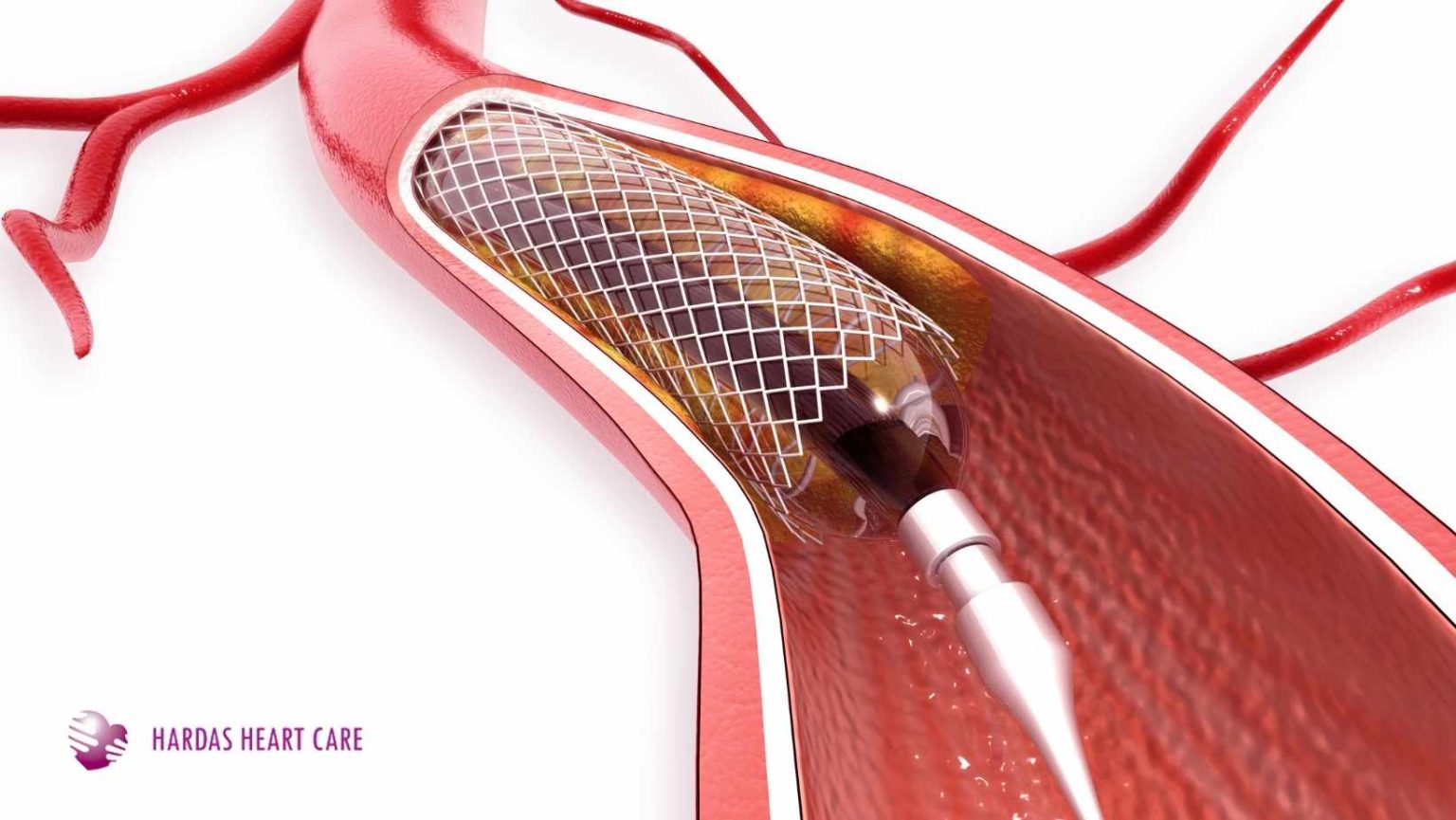
Angioplasty is a minimally invasive heart treatment used to open blocked or narrowed blood vessels, particularly the coronary arteries. These arteries supply oxygen-rich blood to the heart muscle. When they become blocked due to cholesterol buildup, a condition known as coronary artery disease (CAD), the heart struggles to get the blood it needs.
During angioplasty, doctors use a special tube called a catheter, usually inserted through the wrist or groin. The catheter has a tiny balloon at the tip. When it reaches the blocked area, the balloon is inflated to push plaque buildup to the sides of the artery and restore normal blood flow. In many cases, a tiny metal mesh tube called a stent is placed to keep the artery open and prevent future narrowing.
Even though angioplasty sounds complex, it is far safer and less invasive than open-heart surgery. Patients often go home within 24–48 hours, and many return to normal activities quickly.
2. Why Do You Need an Angioplasty?
An angioplasty specialist in Pune will recommend this procedure if:
- You experience severe chest pain (angina) that doesn’t improve with medicines.
- Tests show that one or more arteries are critically narrowed.
- You have had a heart attack or are at risk of one.
- Other treatments are not effective or suitable for your condition.
Blocked arteries reduce the oxygen supply to your heart. Without treatment, this can damage the heart muscle and lead to long-term complications. Angioplasty helps fix this problem before it becomes life-threatening.
3. Understanding Coronary Artery Blockages in Simple Terms
Think of your heart as a pump and arteries as pipelines that deliver fuel. If dirt, waste, or material blocks the pipe, the pump cannot work efficiently. In the human body, that “dirt” is cholesterol and fat deposits.
These deposits build up on the inner walls of arteries over time. Some causes include:
- Bad cholesterol levels
- High blood pressure
- Smoking
- Stress
- Poor diet and lack of exercise
- Genetic risk factors
A reputable angioplasty specialist in Pune will first diagnose how much blockage you have. Diagnosis is often done with tests like angiography, ECG, stress tests, or blood tests. Only after identifying your exact condition will a treatment plan be made.
4. How Doctors Decide if Angioplasty is Needed
Not every patient with a blockage needs angioplasty. Many cases can be managed with medicines and lifestyle modifications. Here is how specialists decide:
a. Severity of the blockage
If the blockage is mild or moderate—say 30–50%—medicines, exercise, and dietary changes may work.
If the blockage is above 70–90% and blood supply is severely affected, angioplasty is usually recommended.
b. Nature of symptoms
Persistent chest pain, shortness of breath, dizziness, or discomfort while climbing stairs or walking are warning signs.
c. Medical history
Heart attacks in the past, diabetes, or long-standing blood pressure increase the need for aggressive treatment.
A skilled angioplasty specialist in Pune will assess your entire health profile before advising the procedure. Remember: angioplasty is not only about clearing blockages—it’s about preventing heart attacks and preserving quality of life.
5. What Happens Before an Angioplasty?
Many patients fear the procedure only because they don’t know what to expect. Here is a simplified explanation.
Initial consultation
Your specialist asks questions about symptoms, family history, smoking habits, stress, and overall lifestyle. Then they will order tests.
Preparatory investigations
Often recommended tests include:
- Echo
- Blood test
- Stress test
- Coronary angiography
Based on these results, the specialist will determine the exact blockage location.
Guidance and consent
Before the procedure, the team will explain the process, risks, benefits, and recovery plan. You can ask as many questions as you like.
6. How is Angioplasty Performed? Step-by-Step
An angioplasty specialist in Pune will perform the procedure in a cardiac catheterization lab (Cath-Lab). Here is the step-by-step breakdown in non-technical language:
- Local anesthesia
Only the wrist or groin area is numbed. You remain awake but relaxed. - Insertion of catheter
A thin tube is inserted into the artery and guided toward the heart. - Contrast dye
A special dye shows the artery blockage on a screen. - Balloon inflation
A balloon at the tip of the catheter is inflated to push deposits aside. - Stent placement
In most cases, a stent is placed to keep the artery open permanently. - Removal
The catheter is removed, and the incision is closed.
The entire procedure may take 30 minutes to 1.5 hours depending on the complexity of blockages.
7. Risks and Safety of Angioplasty
Angioplasty is among the safest heart procedures globally. However, like any medical intervention, it carries risks such as:
- Bleeding from the insertion site
- Allergic reaction to dye
- Blood clots near the stent
- Rare artery damage
These are extremely uncommon when the procedure is performed by an experienced angioplasty specialist in Pune. Choosing the right specialist with a strong track record greatly reduces complications.
8. What to Expect After Your Procedure
You will be asked to rest for several hours. Monitoring equipment tracks your heart rate and blood pressure. Most patients can walk within a few hours. You may feel mild soreness in the wrist or groin where the catheter was inserted, but it disappears quickly.
You will usually be discharged within a day or two. Your doctor will prescribe medications such as:
- Blood thinners
- Cholesterol pills
- BP medicines
- Lifestyle advice
These are very important and must never be ignored.
9. Life After Angioplasty
Many patients think their heart is “fixed forever” after angioplasty. That is not true. Angioplasty restores blood flow, but your arteries can become blocked again if you don’t change your lifestyle.
Here are essential tips:
Healthy Eating Increase fruits, vegetables, whole grains, and lean protein. Avoid saturated fats, fried snacks, and excessive sugar.
Regular Exercise Start slow — walking, yoga, cycling, or swimming. Follow your doctor’s program, especially in the first few weeks.
Quit Smoking Smoking damages arteries and increases the risk of restenosis (blockage returning).
Weight Management Keep BMI within a healthy range.
Stress Control Meditation, breathing exercises, hobbies, and counselling can significantly reduce stress.
An angioplasty specialist in Pune will typically recommend cardiac rehabilitation programs—a guided, safe exercise and lifestyle plan monitored by professionals.
10. Myths About Angioplasty
There are many misconceptions among patients. Let’s correct them:
1.Myth: Angioplasty means open-heart surgery.
Reality: It is a minimally invasive procedure using a catheter.
2.Myth: Stents are harmful to the body.
Reality: Stents are designed to stay permanently and keep arteries open.
3.Myth: You can ignore lifestyle after angioplasty.
Reality: Poor habits will cause new blockages.
4.Myth: You must be bedridden afterward.
Reality: Most people walk within hours and go home in 24–48 hours.
11. Choosing the Right Angioplasty Specialist in Pune
The quality of your treatment depends heavily on the experience of your cardiologist. When searching for the best angioplasty specialist in Pune, consider the following:
- Experience and Expertise
- Look for a doctor with years of experience performing angioplasty, especially complex cases.
- Hospital Infrastructure
- The presence of a modern cardiac cath-lab, emergency facilities, and ICU support is essential.
- Patient Reviews
- Ask previous patients or read verified online testimonials.
- Transparent Communication
A good doctor will explain every step clearly, guide your family, and never rush decisions.
One well-known cardiologist in the city is Dr. Suhas Hardas, recognized for his expertise and patient-focused treatment approach. Patients appreciate specialists who genuinely listen, educate, and build confidence during difficult medical journeys.
12. Who Should Avoid Angioplasty?
Angioplasty may not be suitable for every patient. Some conditions require bypass surgery or medical management. Patients with multiple severe blockages or weak heart muscles may need alternative care.
Your angioplasty specialist in Pune will evaluate:
- The number of blocked arteries
- The exact location of blockages
- Your age
- Health conditions such as diabetes or kidney disease
- Overall heart function
Based on these factors, a tailored plan is suggested.
13. Cost and Insurance Considerations
The cost of angioplasty varies depending on:
- Number of stents
- Type of stent (drug-eluting vs bare metal)
- Hospital facilities
- Length of stay
The good news is that most health insurance policies cover angioplasty. Always speak with your hospital’s billing and insurance support before the procedure to avoid financial stress.
14. How to Prepare Mentally and Emotionally
Heart treatments are not only physical—they are emotional. Patients often feel nervous or overwhelmed, and family members worry constantly.
Here are some tips:
- Ask your specialist to explain everything clearly.
- Write down your symptoms and questions.
- Speak to people who have undergone angioplasty.
- Remind yourself that the procedure is routine and highly successful.
- Stay positive — recovery begins with mindset.
15. Conclusion
If you or a loved one is suffering from heart blockages, consulting an expert is essential. An experienced angioplasty specialist in Pune will evaluate your condition thoroughly and guide you through safe treatment options. Modern angioplasty is quick, minimally invasive, and proven to save lives by restoring blood flow to the heart.
Remember, angioplasty is not the end of your journey—it is the beginning of a healthier life. With the right doctor, medicines, and lifestyle habits, you can live a strong, active, and confident future.