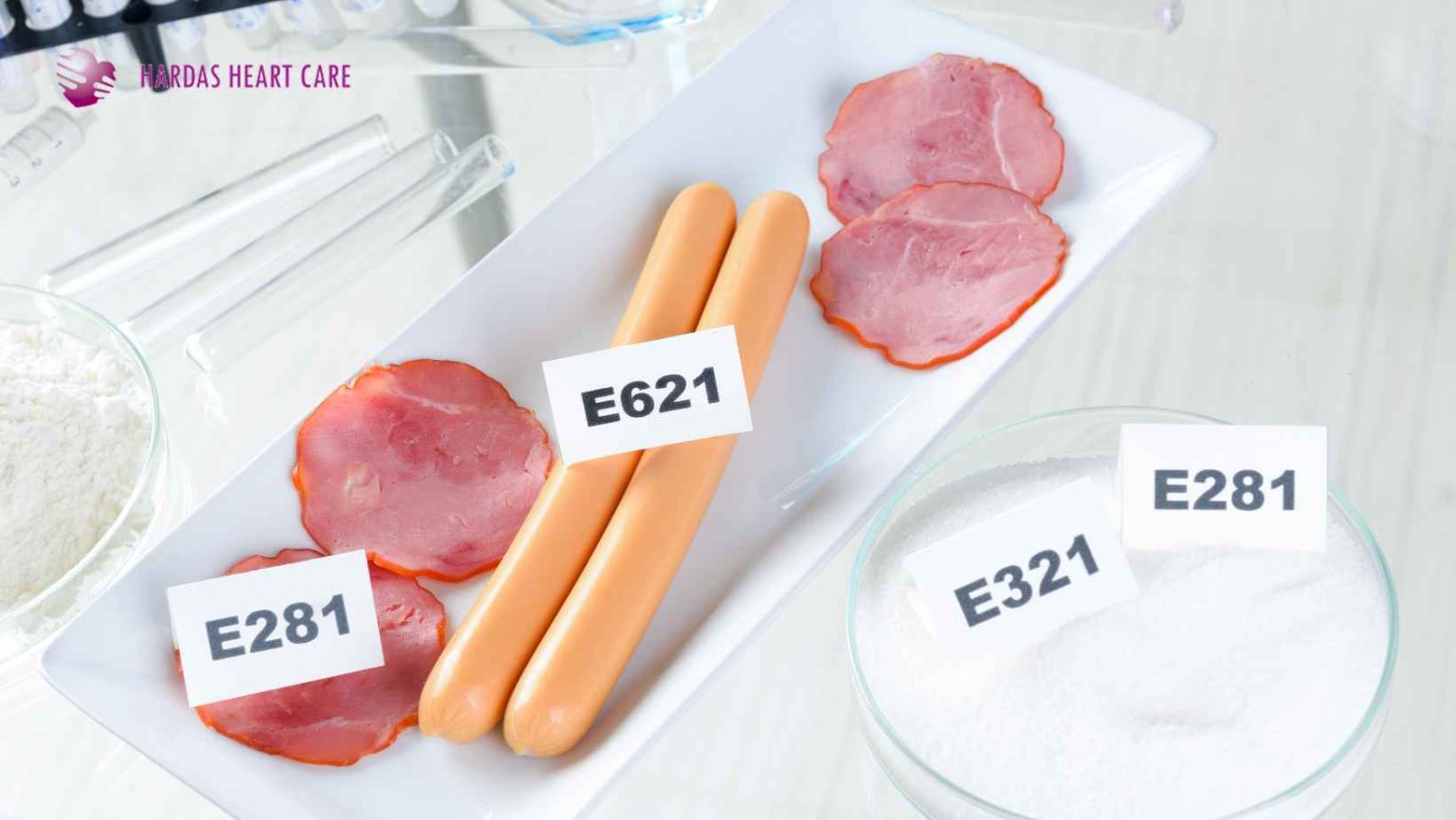
Processed foods have become a part of modern life. From packaged bread and instant noodles to sauces, frozen snacks, and processed meats, these products offer convenience—but they also contain preservatives that help extend shelf life. Food preservatives are approved for use within regulated limits, but consuming ultra-processed foods regularly can increase your intake of sodium, unhealthy fats, and added sugars. Over time, these dietary habits may contribute to high blood pressure and increase the risk of cardiovascular disease.
According to Dr. Suhas Hardas, a top cardiologist in Pune, heart disease is often the result of years of unhealthy lifestyle choices rather than a single food or ingredient. Understanding what goes into your daily diet is one of the first steps toward protecting your heart.
Quick Answer
Do food preservatives cause heart disease?
Food preservatives do not directly cause heart disease. However, diets high in processed foods that contain preservatives are associated with increased sodium intake, obesity, hypertension, diabetes, and chronic inflammation—all of which are well-known risk factors for cardiovascular disease.
Why Processed Foods Can Affect Heart Health
Preservatives themselves are not always the main concern. The real issue is that foods containing multiple preservatives are often also high in:
- Sodium
- Added sugars
- Saturated fats
- Refined carbohydrates
Regular consumption of these foods may increase the risk of:
- High blood pressure
- Weight gain
- High cholesterol
- Type 2 diabetes
- Heart attack and stroke
That’s why cardiologists recommend choosing fresh, minimally processed foods whenever possible.
Eight Food Preservatives to Watch For
1. Sodium Benzoate
Commonly found in soft drinks, fruit juices, sauces, pickles, and salad dressings, sodium benzoate contributes to overall sodium intake. Excess sodium can raise blood pressure, especially in people who are salt-sensitive.
2. Sodium Nitrite and Sodium Nitrate
These preservatives are used in processed meats such as sausages, bacon, ham, and hot dogs. Regular consumption of processed meats has been linked to a higher risk of cardiovascular disease and certain cancers.
3. Potassium Bromate
Previously used in bread and bakery products, potassium bromate has been restricted or banned in several countries due to health concerns. Choosing bakery products from trusted manufacturers is a safer option.
4. Sulphites
Sulphites help preserve dried fruits, packaged juices, and vinegar. While generally safe, they may trigger allergic reactions or breathing difficulties in sensitive individuals.
5. Monosodium Glutamate (MSG)
MSG enhances flavour in instant noodles, soups, frozen meals, and restaurant food. Although research on MSG remains mixed, foods containing MSG are often high in sodium, making moderation important for people with hypertension.
6. Sodium Phosphates
Used in processed cheese, frozen meats, and packaged foods, sodium phosphates improve texture and shelf life. Excess intake may not be suitable for individuals with kidney disease or existing cardiovascular conditions.
7. BHA and BHT
These preservatives prevent fats from becoming rancid and are commonly found in breakfast cereals, chips, biscuits, and packaged snacks. Limiting these foods can improve your overall diet quality.
8. Artificial Colour and Preservative Blends
Many packaged sweets, candies, desserts, and sugary drinks contain a combination of preservatives, artificial colours, and flavour enhancers. These foods usually offer little nutritional value while adding excess sugar and sodium.
How to Protect Your Heart
You don’t have to eliminate all packaged foods, but making smarter choices can reduce your long-term cardiovascular risk.
Read Ingredient Labels
Check the ingredient list for preservatives and compare sodium levels before purchasing packaged foods.
Eat More Fresh Foods
Fresh fruits, vegetables, whole grains, pulses, nuts, and lean proteins naturally contain fewer additives and support better heart health.
Limit Ultra-Processed Foods
Reduce your intake of processed meats, instant noodles, sugary drinks, packaged snacks, and frozen ready-to-eat meals.
Stay Active
Regular exercise, maintaining a healthy weight, managing stress, and getting adequate sleep all contribute to better cardiovascular health.
Schedule Regular Health Check-ups
Monitoring blood pressure, cholesterol, and blood sugar levels helps detect heart disease risk early.
Fresh Foods vs Processed Foods
When Should You See a Heart Specialist?
Consult a cardiologist if you experience:
- Persistent high blood pressure
- Chest pain or discomfort
- Shortness of breath
- Palpitations
- Unexplained fatigue
- A family history of heart disease
- Diabetes or high cholesterol
Early diagnosis can help prevent serious complications such as heart attack or stroke.
Conclusion
Heart disease develops over time, and everyday food choices play an important role in maintaining cardiovascular health. While food preservatives are considered safe within approved limits, regularly eating ultra-processed foods can increase your intake of sodium, unhealthy fats, and added sugars that contribute to heart disease risk.
Choosing fresh foods, reading ingredient labels, staying physically active, and undergoing regular health screenings are simple yet effective ways to protect your heart.
If you have concerns about your heart health or want expert guidance on preventing cardiovascular disease, consult Dr. Suhas Hardas, a top cardiologist in Pune, for a comprehensive heart health evaluation.
Frequently Asked Questions
Can processed foods increase blood pressure?
Yes. Many processed foods are high in sodium, which can contribute to high blood pressure, especially in salt-sensitive individuals.
Which foods contain the most preservatives?
Processed meats, instant noodles, packaged snacks, soft drinks, sauces, frozen meals, and bakery products commonly contain preservatives.
Should heart patients completely avoid preservatives?
Not necessarily. The focus should be on limiting ultra-processed foods and following a balanced diet rich in fresh, minimally processed ingredients.
What is the best diet for heart health?
A diet rich in fruits, vegetables, whole grains, legumes, lean proteins, healthy fats, and low in sodium and added sugars supports cardiovascular health.
When should I consult a cardiologist?
If you have chest pain, high blood pressure, diabetes, high cholesterol, or a family history of heart disease, consult a cardiologist for evaluation.
Who is a trusted heart specialist in Pune?
Dr. Suhas Hardas is an experienced heart specialist in Pune, offering preventive, diagnostic, and comprehensive cardiac care tailored to each patient’s needs.