Heart disease is becoming more common in India, especially among younger adults. Stress, poor eating habits, diabetes, smoking, and lack of exercise are increasing the risk of heart problems. Because of this, many people feel they should undergo every heart test available. But that is not true.
According to experts, you do not need 50 tests to understand your heart health. You only need a few important tests at the right time and under proper medical guidance. A good evaluation by a doctor can help identify which tests are necessary and which are not.
If you are looking for guidance from a top cardiologist in Pune, understanding these tests can help you make better decisions about your heart health.
Why Heart Tests Matter
Heart tests help doctors detect problems early. Many heart conditions develop slowly and may not show symptoms in the beginning. Regular screening can identify risk factors before they become serious.
Tests can help detect:
- High cholesterol
- Diabetes
- Poor blood circulation
- Irregular heartbeat
- Blocked arteries
- Weak heart muscles
The goal is not to do every test possible. The goal is to choose the right test based on your age, symptoms, family history, and lifestyle.
Basic Tests Everyone Should Know About
Some tests are considered basic heart health tests. These are simple blood tests that provide valuable information about your overall health and heart risk.
1. Hemogram (Complete Blood Count)
A hemogram checks different components of your blood, including red blood cells, white blood cells, and hemoglobin levels.
This test helps identify:
- Anemia
- Infections
- Inflammation
- General health issues
Low hemoglobin levels can make the heart work harder to supply oxygen throughout the body. This is why a hemogram is often included in routine health checkups.
A top cardiologist in Pune may recommend this test as part of preventive cardiac screening.
2. HbA1c Test
HbA1c is a blood test that measures your average blood sugar levels over the last two to three months.
This test helps diagnose:
- Prediabetes
- Diabetes
- Poor sugar control
Diabetes is one of the biggest risk factors for heart disease. High sugar levels can damage blood vessels and increase the risk of heart attacks and strokes.
Even if you feel healthy, checking HbA1c regularly is important, especially if you have a family history of diabetes.
3. Fasting Blood Sugar Test
A fasting sugar test measures your blood glucose levels after fasting for at least 8 hours.
This test helps doctors understand whether your body is processing sugar properly. Abnormal sugar levels can directly affect heart health.
People with uncontrolled diabetes often have a higher chance of developing blocked arteries and high blood pressure.
Lipid Profile: A Key Heart Health Test
A lipid profile is one of the most important tests for heart health.
This blood test measures:
- Total cholesterol
- LDL (bad cholesterol)
- HDL (good cholesterol)
- Triglycerides
High LDL cholesterol can lead to plaque buildup in arteries. Over time, this can block blood flow and increase the risk of heart attacks.
A healthy lifestyle, exercise, and proper diet can improve cholesterol levels. In some cases, medication may also be required.
Many people visit a top cardiologist in Pune for cholesterol management and preventive heart care.
What Is an ECG?
An ECG or Electrocardiogram records the electrical activity of the heart.
It is a quick and painless test that helps detect:
- Irregular heartbeat
- Previous heart attack
- Heart rhythm problems
- Signs of reduced blood flow
Doctors usually recommend an ECG if a person experiences symptoms like:
- Chest pain
- Palpitations
- Breathlessness
- Dizziness
An ECG is not always required for everyone. Your doctor will decide if it is necessary based on your symptoms and risk factors.
Understanding Echocardiography
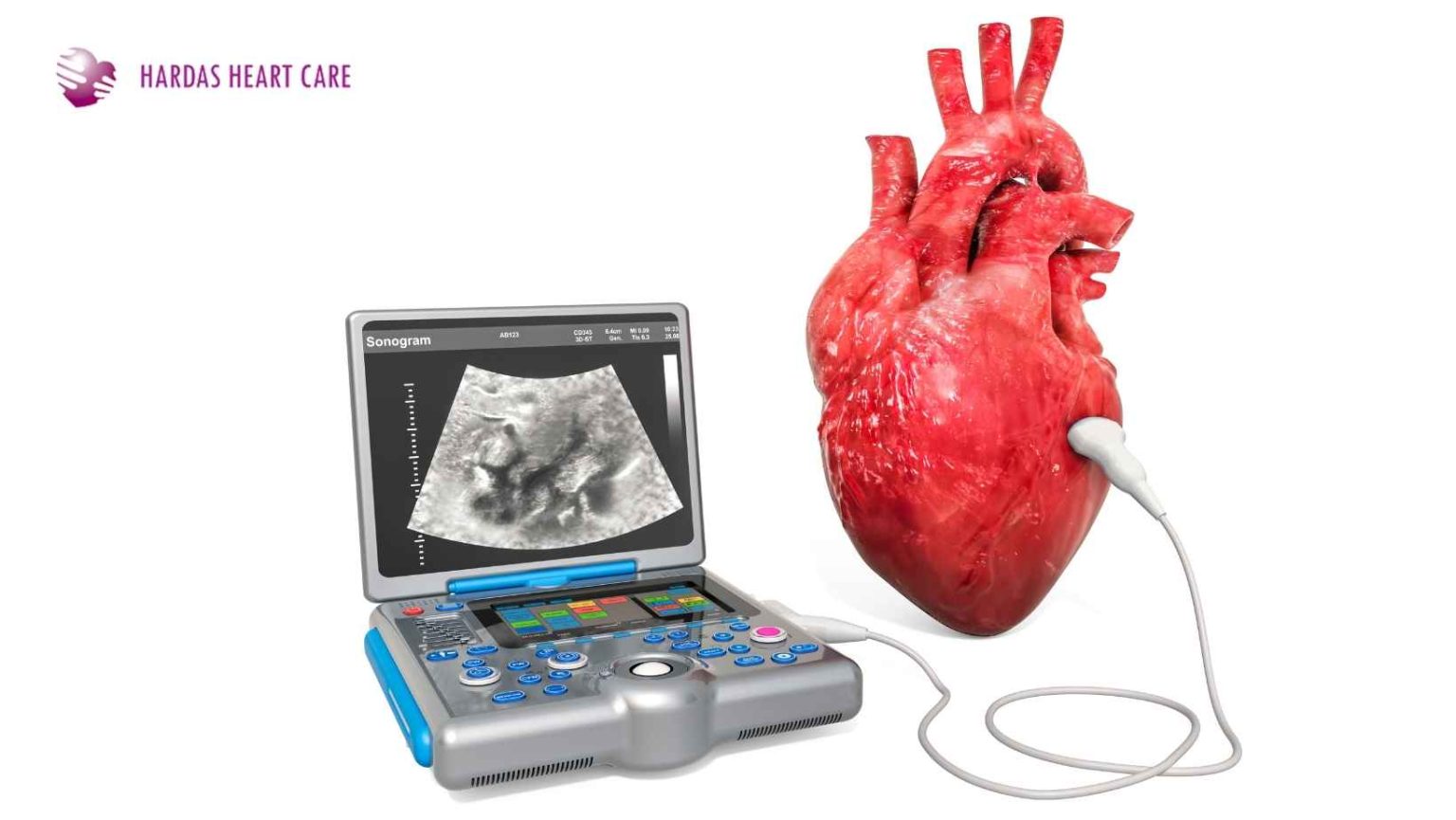
Echocardiography, commonly called a 2D Echo, uses ultrasound waves to create images of the heart.
This test helps evaluate:
- Heart pumping function
- Heart valve problems
- Structural abnormalities
- Fluid around the heart
Unlike an ECG, which studies electrical activity, an echo shows the actual movement and structure of the heart.
A top cardiologist in Pune may suggest echocardiography if there are signs of heart weakness, valve disease, or unexplained symptoms.
Advanced Heart Tests
Some people may require advanced imaging tests for more detailed heart evaluation. These tests are usually recommended only when needed.
CT Coronary Angiography
CT angiography is a specialized scan that creates detailed images of the heart arteries.
It helps doctors identify:
- Narrowed arteries
- Calcium buildup
- Blood flow problems
This test is non-invasive and often used when doctors suspect coronary artery disease.
However, it is not meant for everyone. Doctors usually recommend it only after reviewing symptoms and other test results.
Catheter Angiography
Catheter angiography is a more advanced procedure used to examine blood vessels directly.
A thin tube is inserted through a blood vessel to check for blockages in heart arteries.
This test is considered the gold standard for diagnosing coronary artery disease.
Doctors may recommend it when:
- Symptoms are severe
- Stress tests are abnormal
- There is a high risk of blockage
- Immediate treatment may be required
A trusted and experienced top cardiologist in Pune will decide whether catheter angiography is truly necessary.
Do You Need All These Tests?
No. Most people do not need every heart test.
The biggest mistake many people make is directly going for advanced scans without proper medical advice.
Heart testing should happen step by step:
- Basic blood tests
- Clinical examination
- ECG or Echo if needed
- Advanced imaging only when recommended
Unnecessary testing can increase stress, cost, and confusion.
The best approach is preventive care, regular checkups, healthy habits, and early medical consultation.
When Should You See a Cardiologist?
You should consult a heart specialist if you experience:
- Chest pain
- Shortness of breath
- High blood pressure
- Diabetes
- High cholesterol
- Family history of heart disease
- Sudden fatigue
- Palpitations
Regular screening becomes even more important after the age of 40.
Consulting a top cardiologist in Pune can help you understand your personal risk factors and create a preventive health plan.
Final Thoughts
Heart health does not always require complicated testing. In many cases, a few simple blood tests can provide valuable information about your risk factors.
Tests like hemogram, HbA1c, fasting sugar, and lipid profile are often the first step in understanding your heart health. ECG and echocardiography may be needed in some cases, while advanced scans should only be done under expert guidance.
The key is not to panic or self-diagnose. Instead, focus on regular health checkups, a balanced lifestyle, and timely medical advice.
A preventive approach today can protect your heart for years to come.